
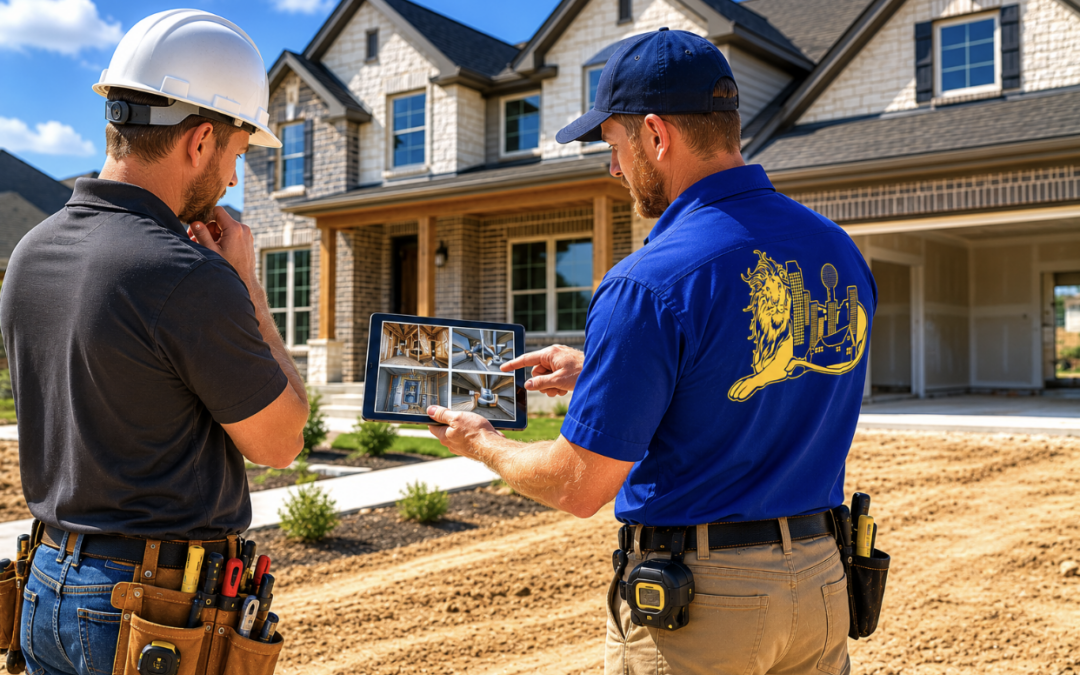
What Does a New Construction Inspection Include? Complete Checklist & Process
When investing in property, particularly new constructions, understanding the differences between builder inspections and independent third-party inspections is crucial.
Builder inspections are conducted by the same entity responsible for the construction, which can lead to potential biases.
In contrast, independent inspections aka 3rd Party Inspectors like Kissee Inspection Services are unbiased and provide an objective assessment of the property’s condition.
This article will explore why independent inspections matter, the differences between builder and third-party evaluations, and common misconceptions surrounding these processes.
Readers will also learn the key stages of inspections vital for new constructions and understand the benefits of enlisting independent inspection services. We will examine how Kissee Inspection Services can help ensure that buyers are making informed decisions without overlooking significant issues that might arise during the construction process.
Builder Inspections vs. Third-Party Inspections:
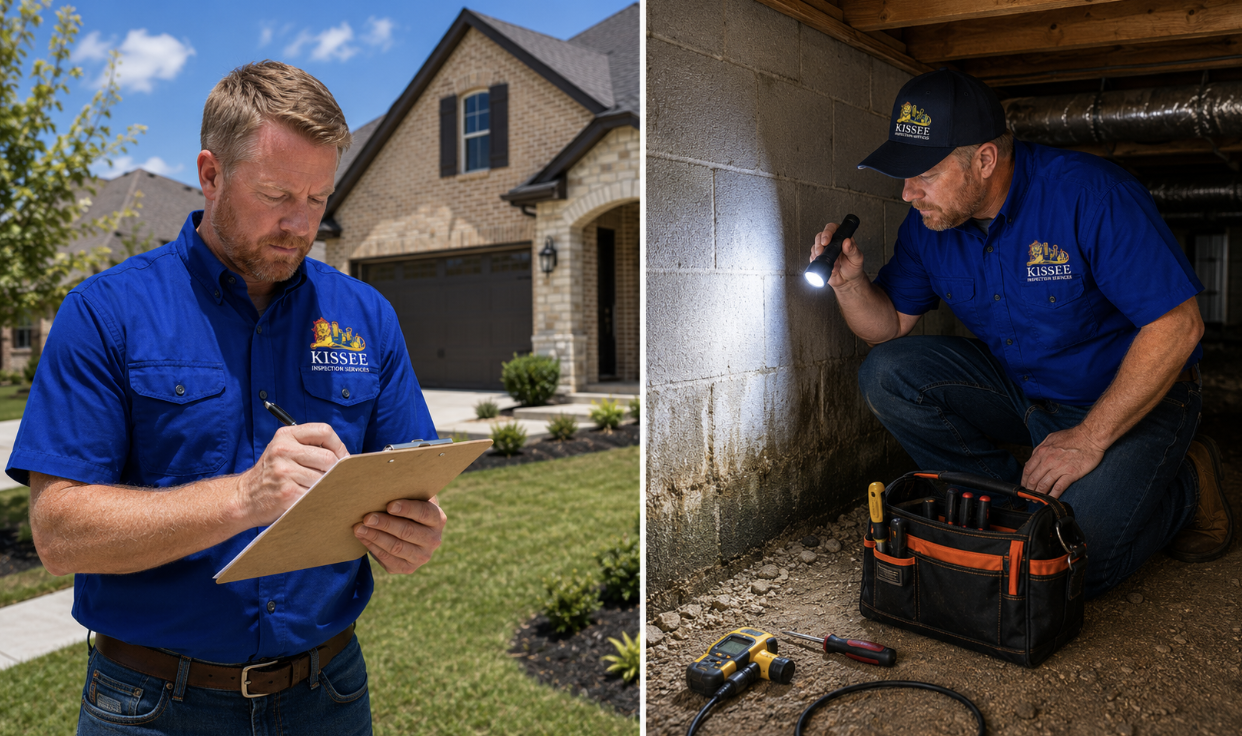
Builder inspections are assessments conducted by the construction entity itself or appointed representatives. These inspections often come with the assumption that the builder’s evaluation will be thorough and unbiased, potentially leading to overlooked issues that might affect the property’s integrity.
Third-party inspections provide an objective perspective, as they are conducted by independent experts who do not have a financial stake in the construction project.
This duality of interests significantly impacts the level of scrutiny a property undergoes following independent evaluations, thereby safeguarding homeowner interests.
Understanding Builder Inspections vs. Third-Party Inspections
What Is a Builder Inspection?
A builder inspection generally encompasses an evaluation performed during or after the construction process to confirm quality benchmarks. Key components include assessing structural integrity, material quality, and compliance with local regulations. During different phases of construction, such as during the pre-drywall stage, inspectors will examine whether the foundation, electrical, and plumbing systems are correctly installed. However, since these inspections are carried out by the builder, the objectivity may be compromised, leading to potential oversights.
What Is an Independent Third-Party Inspection?
Independent third-party inspections represent an impartial evaluation carried out by professionals not affiliated with the builder. They follow TREC (Texas Real Estate Commission) Standards of Practice.
These inspections emphasize transparency and objectivity, helping identify visible concerns to ensure potential defects are identified without bias. By thoroughly assessing aspects such as foundation, framing, and systems operations, independent inspectors can help spot workmanship issues that builders may overlook. This differentiation secures peace of mind for property buyers, instilling confidence in their investment decisions.
Side-by-Side Comparison: Builder vs. Independent Inspection
| Feature | Builder Inspection | Independent Inspection |
| Objective | Builder’s perspective | Unbiased evaluation |
| Scope | Limited to contractual obligations | Comprehensive property evaluation |
| Stakeholders | Primarily serves the builder | Serves the buyer |
This table illustrates the paramount distinctions between builder and independent inspections. The impacts of these differences cannot be understated, as each type serves entirely different interests, with independent inspections being far more beneficial to potential homeowners.
Who the Inspection Serves
The different stakeholders impacted by inspections can include builders, homeowners, and investors. For builders, inspections may primarily serve their interests by confirming compliance with regulations and minimizing liability risks. Alternatively, independent inspections serve homeowners, offering a detailed perspective on the property’s overall condition and alerting them to any significant defects. This clarity is crucial for homeowners who want to avoid costly repairs down the line and understand their investment fully.
Scope of Inspection
Builder inspections often focus on confirming that specific construction phases meet project guidelines and codes. They may not provide a holistic view of the property’s overall condition. In contrast, independent inspections cover a broader range of aspects, including structural soundness, compliance with safety standards, and even aesthetic considerations. This extensive examination ensures that homeowners receive a complete picture of the property’s integrity.
Objectivity and Independence
The independence of inspection services plays a critical role in ensuring accurate evaluations. Builder inspections may exhibit inherent biases due to the relationship with the property, while independent inspections prioritize neutrality. This objectivity is essential to detect flaws or issues that could significantly impact the property’s value. Homeowners can trust that independent evaluations are not influenced by other interests, fostering confidence in the findings presented.
Reporting and Documentation
The reporting from independent inspections typically features detailed documentation, including photographs, descriptions of observed issues, and suggested remediation steps. This thorough reporting can serve as a valuable tool for homeowners when negotiating repairs or adjustments with builders. Conversely, builder inspection reports may be limited and less detailed, potentially leaving buyers without critical information for addressing deficiencies.
Buyer Benefits
Several standout benefits emerge when opting for independent inspections. Homebuyers can expect improved knowledge of their investment, potential cost savings by identifying defects early, and assurance that their inspections are reliable and thorough. Moreover, independent evaluations can bolster negotiating power concerning repairs with builders. The potential savings derived from discovering issues early can greatly mitigate any long-term financial burden.
Why an Independent Home Inspection for New Construction Matters
Independent home inspections are crucial, even for new constructions. While there is a common belief that newly built homes are free from issues, this is not always the case. Independent inspectors help reveal installation deficiencies that could remain hidden until after the purchase.
Common Issues Independent Inspectors Identify
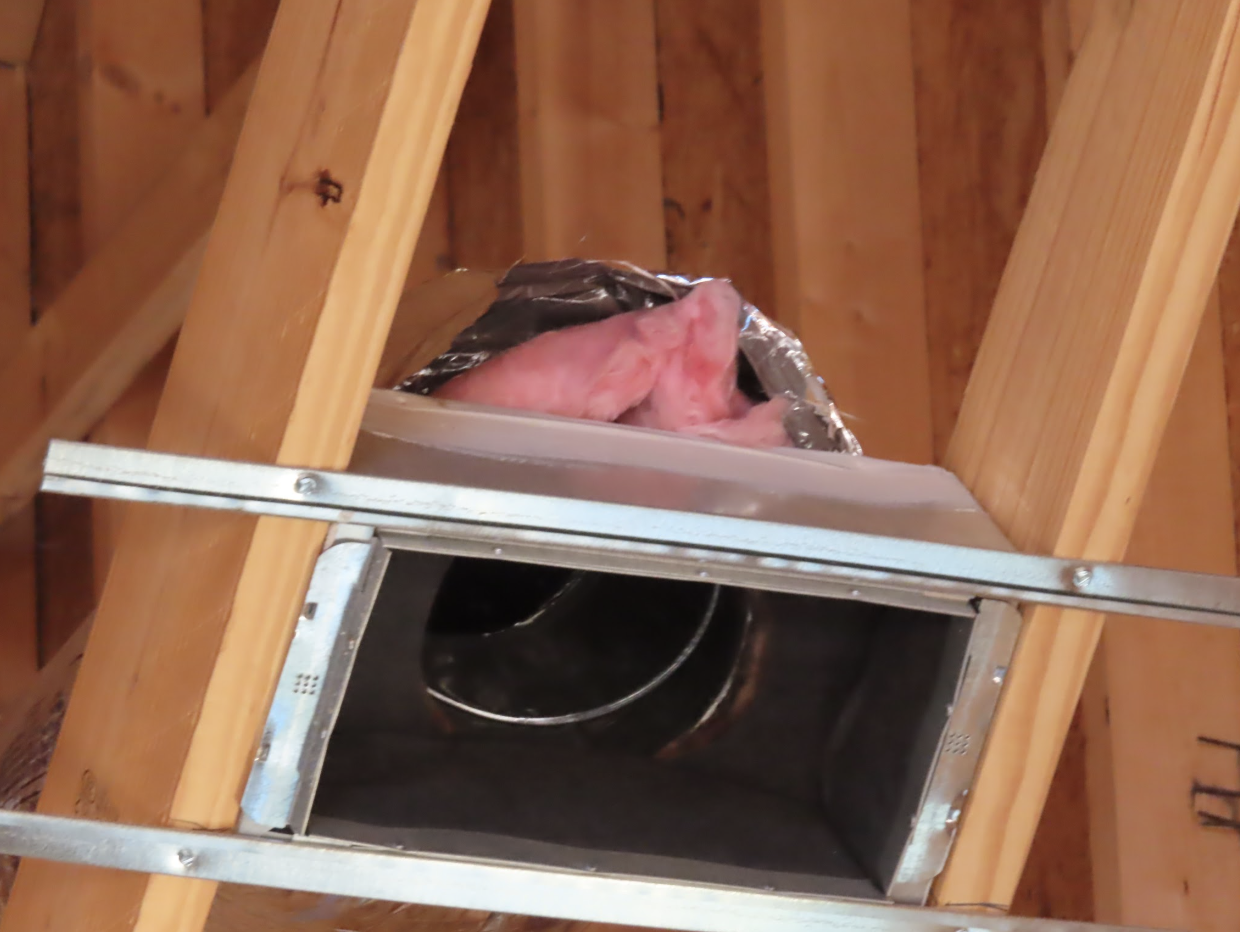
Independent inspectors often identify problems such as improper installation of plumbing, wiring issues, and structural deficiencies that builders may overlook. These
flaws can contribute to significant long-term issues if not addressed promptly, emphasizing the need for thorough evaluations even in newly constructed homes.
An Additional Layer of Protection for Buyers
By conducting an independent assessment, buyers add an extra layer of security to their purchase. The knowledge gained from these inspections empowers homeowners to make informed decisions regarding their new property. Furthermore, the peace of mind provided by knowing potential issues have been addressed cannot be overstated, serving as a valuable investment for future security.
Debunking Common Misconceptions About New Construction Inspections
“The Builder Already Inspected Everything”
It’s a common misconception that builders do exhaustive inspections. However, the reality is that these inspections may be insufficient, focusing solely on compliance rather than thoroughness. Independent evaluations can reveal critical issues that would otherwise remain unnoticed.
“New Homes Don’t Need Independent Inspections”
Even new constructions can harbor issues concealed during the building process. Independent inspections serve as an essential safety net that ensures buyers’ investments are sound and reliable.
“A City Code Inspection Is the Same as a Home Inspection”
City code inspections focus primarily on regulatory compliance, not the detailed assessment necessary for evaluating structural integrity or overall livability. Independent inspections provide a comprehensive examination that includes many more aspects than city inspections typically address.
Key Inspection Stages for New Construction
Understanding the key stages of inspections during new construction is vital for ensuring property integrity. These critical phases include:
Pre-Pour Inspection
Before concrete pouring, inspectors review the foundation to evaluate whether the foundation preparation appears adequate and meets necessary specifications. This vital stage can identify concerns related to structural support and drainage.
Pre-Drywall Inspection
During pre-drywall inspection, critical components like electrical and plumbing systems are assessed for quality and compliance. Evaluating systems against common building practices helps identify potential safety concerns. Addressing issues at this stage can prevent significant delays and repairs later.
Final Inspection
A final inspection serves as a comprehensive check before the completion of the construction process, helping detect observable defects and ensuring that quality standards are met.
11-Month Warranty Inspection
Before the expiration of the warranty period, conducting an inspection can reveal potential issues that the homeowner may not have noticed, ensuring that the builder remains accountable for necessary corrections.
The Value of a Detailed Inspection Report
A detailed inspection report is an essential component of the inspection process. These reports provide comprehensive insights into the property’s condition, including defects and suggested remedial actions. Homeowners can leverage these insights for negotiations with builders and ensure timely rectifications are made.
Trust Kissee Inspection Services for Unbiased New Construction Inspections
Kissee Inspection Services offers independent property inspection services tailored to new construction homes, existing residential properties, and commercial buildings in the Greater Texas area. Their commitment to providing unbiased evaluations ensures that buyers receive comprehensive reports that accurately reflect a property’s condition. The professionalism and detail-oriented approach of Kissee Inspection Services facilitate trust and satisfaction among clients.
Schedule Your Independent New Construction Inspection Today
If you’re in the process of purchasing a new property, don’t overlook the importance of an independent inspection. CALL OR TEXT Kissee Inspection Services at (469) 789-1444 today to schedule your inspection TODAY!
With their expertise, you can navigate the complexities of home buying with confidence, protecting your investment and providing peace of mind.