What Can Be Found Prior to Insulation & Drywall Installation?
What Is a Pre-Drywall Inspection?
Key Areas Evaluated During Pre-Drywall Inspections
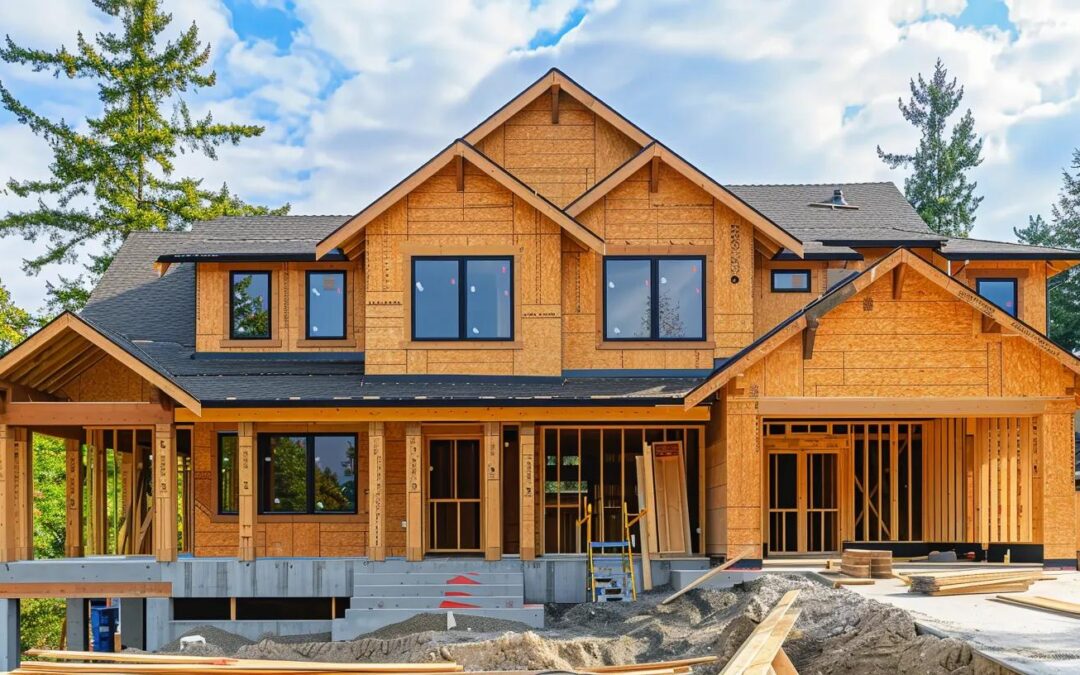
- Framing and Structural Elements: Inspectors check that the framing is properly aligned, securely fastened, and built according to approved plans. This includes examining load-bearing walls, beams, joists, trusses, and roof sheathing to ensure structural integrity.
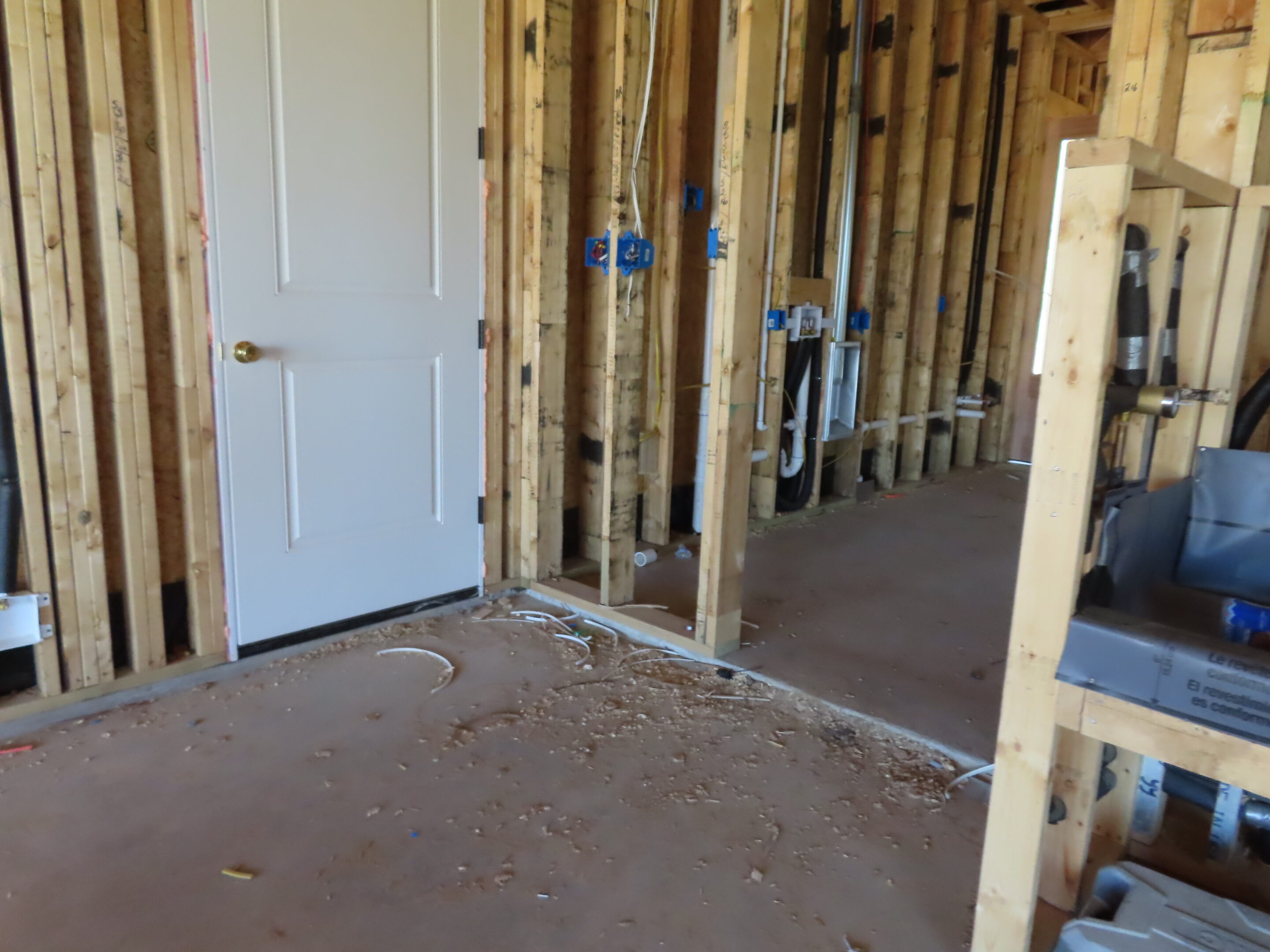
- Electrical Rough-In: The electrical system is inspected for correct wiring installation, proper placement of outlets, switches, and junction boxes, and adherence to safety codes. This helps prevent future electrical hazards.
- Plumbing Rough-In: Inspectors verify that water supply lines, drain pipes, and venting systems are correctly installed and free of leaks. Proper plumbing installation at this stage prevents water damage and mold growth.
- HVAC Rough-In: The heating, ventilation, and air conditioning ductwork and equipment placement are checked to ensure efficient airflow and compliance with design specifications.
- Insulation Readiness: Before insulation is installed, inspectors confirm that framing and mechanical systems are ready and that there are no obstructions or issues that could affect insulation performance.
- Windows and Doors: Proper installation and sealing of windows and doors are reviewed to prevent air and water infiltration, which can impact energy efficiency and indoor comfort.
- Roof Sheathing and Decking: The roof’s structural components are examined for proper installation, fastening, and weatherproofing to protect the home from leaks and structural damage.
Why Pre-Drywall Inspections Matter
Common Issues Found During Pre-Drywall Inspections
- Improper Framing: Misaligned studs, inadequate fastening, or missing structural supports can compromise the building’s stability.
- Plumbing Deficiencies: Leaks, incorrect pipe slopes, or improperly installed venting can lead to water damage and mold.
- Electrical Concerns: Faulty wiring, incorrect box placement, or missing grounding pose safety risks.
- HVAC Installation Errors: Poorly sealed ductwork or incorrect equipment placement can reduce system efficiency.
- Insulation Barriers: Obstructions or incomplete framing can prevent proper insulation installation, affecting energy efficiency.
- Window and Door Installation Issues: Gaps or improper sealing can cause drafts and water intrusion.
- Roof Sheathing Problems: Loose or improperly fastened decking can lead to leaks and structural damage.
Common Defects Found During Pre-Drywall Inspections
| Defect Type | Attribute | Impact on Construction |
|---|---|---|
| Improper Framing | Misaligned or missing studs | Compromised structural integrity |
| Plumbing Issues | Leaks or incorrect pipe slopes | Water damage and mold risk |
| Electrical Problems | Faulty wiring or improper grounding | Fire hazards and safety concerns |
| HVAC Installation Errors | Leaky ductwork or poor equipment placement | Reduced system efficiency and comfort |
| Window/Door Installation | Improper sealing or gaps | Air and water infiltration |