
Building Code Compliance Checklist: Ensuring New Home Construction Inspections Meet Safety Standards
Ensuring compliance with building codes and safety standards is crucial in new home construction. This article provides a comprehensive checklist for navigating the inspection process, highlighting key phases, safety standards, and the role of certified home inspectors. Homeowners and builders alike face challenges in meeting these regulations, which can lead to costly delays and safety risks. By understanding the inspection process and utilizing a building code compliance checklist, stakeholders can ensure that their new construction homes are safe and fully compliant.
This guide will cover the key phases in the inspection process, how to effectively use a compliance checklist, the requirements for certified home inspectors, and best practices for safety throughout the construction process.
The importance of these regulations is underscored by the legal frameworks that govern construction and housing safety.
Legal frameworks of laws, regulations, and building codes—primarily established at the state and local level in the United States
—are critical to ensuring safe and healthy housing. These frameworks govern new construction homesand are enforced by building departments, fire departments, and other regulatory agencies.
Compliance ensures that structures meet required safety, structural, and fire standards. Labor and housing inspectors play a key role in monitoring construction and enforcing these regulations. Major references include the International Residential Code (IRC), National Fire Protection Association (NFPA) standards, and local municipal codes.
Key Phases in the New Build Inspection Process
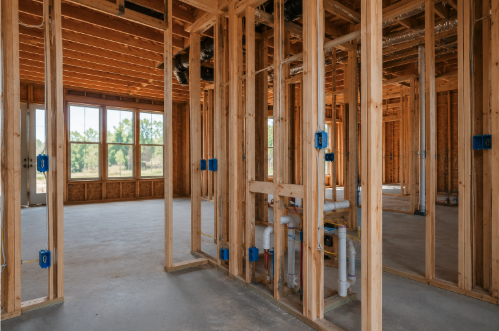
The new build inspection process consists of several critical phases that ensure compliance with building codes and safety standards. These inspections help identify potential issues early, preventing costly repairs and ensuring the safety and structural integrity of the home. Key phases typically include:
- Pre-Foundation Inspection (Pre-Pour): Verifies the foundation is built according to code and design specifications.
- Pre-Drywall / Structural Inspection: Confirms structural framing, electrical, plumbing, and HVAC systems are installed properly and meet code.
- Final Walkthrough Inspection: Ensures all systems function correctly and the home meets all building codes before move-in.
Each phase plays a vital role in addressing compliance issues early in construction.
How Phase Inspection Ensures Construction Safety
Phase inspections enhance construction safety by identifying issues before they escalate. Inspectors review structural integrity, proper installation of systems, and adherence to fire and safety codes. This proactive approach ensures regulatory compliance and reduces the risk of accidents, structural failures, or costly corrective work.
Typical Checklist Items for Each Inspection Phase
During inspections, certified inspectors review a variety of items to ensure compliance:
- Structural Compliance: Verify foundation, framing, load-bearing walls, and roof structures meet codes.
- Electrical Systems: Ensure wiring, outlets, panels, and grounding are installed correctly.
- Plumbing Systems: Inspect piping, drainage, water heaters, and fixture installations.
- HVAC Systems: Confirm heating, ventilation, and air conditioning systems are installed and functional.
- Fire Safety: Check fire alarms, suppression systems, and emergency evacuation readiness.
- Insulation and Energy Efficiency: Ensure insulation meets required R-values and ventilation standards per building codes.
Using a Building Code Compliance Checklist for New Home Inspections
A building code compliance checklist is a valuable tool for documenting compliance and addressing violations. Best practices include:
- Phase-Specific Checklists: Separate checklists for pre-foundation, pre-drywall, and final inspections.
- Documentation: Record compliance status and corrective actions for any violations.
- Regular Updates: Ensure the checklist reflects changes in local building codes and NFPA standards.
Using a structured checklist streamlines the inspection process, reduces oversights, and ensures that all required safety standards are verified.
Safety Standards That Must Be Verified
Certified inspectors ensure the following safety standards are met:
- NFPA Standards: Compliance with applicable fire safety codes.
- System Component Functionality: Electrical, plumbing, HVAC, and other systems operate correctly.
- Structural Integrity: Foundation, framing, and load-bearing elements comply with codes.
- Regular Testing and Maintenance: Establish schedules for ongoing system verification where applicable.
These standards are critical for maintaining the safety and functionality of new constructions.
Documenting Compliance and Addressing Code Violations
Proper documentation helps builders and homeowners manage compliance effectively:
- Conduct Regular Inspections: Frequent checks identify issues early.
- Use Management Tools: Software or organized records streamline compliance tracking.
- Generate Reports: Detailed reports outline code violations and recommended corrective actions, and should be kept on file for future reference.
Certified Home Inspector Requirements for New Builds
Certified home inspectors ensure that construction meets safety standards and building codes.
Qualifications:
- Certification: Completion of accredited training programs and passing exams, e.g., InterNACHI or ASHI.
- Experience: Required hours of on-the-job inspection experience to demonstrate competency.
How to Select a Qualified Inspector for Your New Home
Selecting a qualified inspector involves several considerations:
- Check Credentials: Verify the inspector holds the necessary certifications (InterNACHI, ASHI) and any state or local licenses required in your area.
- Experience & References: Research past client reviews and references to evaluate the inspector’s reliability and thoroughness.
- Local Knowledge: Ensure the inspector is familiar with your area’s building codes, inspection requirements, and typical construction practices.
By following these guidelines, homeowners can confidently choose a qualified inspector who will uphold safety and regulatory standards throughout the construction process.