
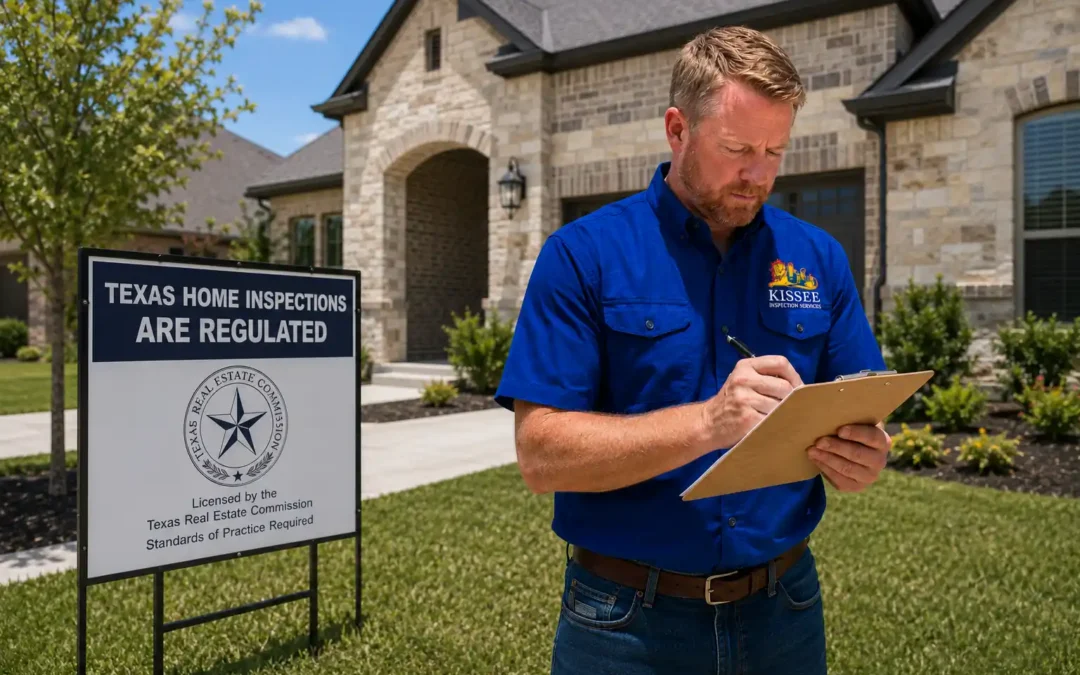
Your Complete Guide to Certified Property Inspections
Hiring a trustworthy home inspector is a critical step for anyone buying or selling a home in Texas! A professional inspector identifies potential issues, helps save $$$ and provides peace of mind.
Texas is one of the few states that require licensing with higher than most inspection standards. If buying a home in Texas, buyers have many advantages compared to other states!
This guide explains:
-What makes an inspector reliable
-The importance of certifications
-What to expect during an inspection
-Common property issues in Texas
-How specialized inspections can protect your investment
By understanding these aspects, buyers and sellers can make informed decisions and feel confident about their property transactions.
What Makes a Home Inspector Reliable in Texas?
A reliable home inspector possesses key qualities that ensure thorough and unbiased evaluations. These include:
-
Relevant Certifications – Membership in recognized organizations shows commitment to professional standards.
-
Experience – Inspectors who have evaluated numerous homes are better equipped to identify potential problems.
-
Transparency – Clear, detailed reporting helps clients understand findings and recommended actions.
Choosing an inspector with these qualities helps ensure accurate and trustworthy results.
Certifications That Ensure Inspector Credibility
In Texas, home inspectors often hold certifications from organizations such as:
-
InterNACHI (International Association of Certified Home Inspectors)
-
ASHI (American Society of Home Inspectors)
-
TREC (Texas Real Estate Commission)
These certifications require ongoing education, adherence to ethical guidelines, and professional standards. Hiring a certified inspector gives you confidence that your property is being evaluated thoroughly and fairly.
Why Experience Matters
Experience is a significant factor in inspection reliability. Inspectors who have evaluated a variety of homes are more likely to detect subtle issues that could be costly if overlooked. While there are no official statistics directly linking years of experience to inspection quality, client reviews and referrals are useful indicators of competence.
Benefits of Hiring a Certified Home Inspector
Certified inspectors provide several advantages:
-
Peace of Mind – You receive an objective evaluation of the property.
-
Quality Assurance – Adherence to professional standards ensures accurate findings.
-
Expert Guidance – Inspectors can explain issues clearly and suggest next steps.
For buyers, an inspection ensures you understand the true condition of a property before making a purchase. Sellers may also benefit from a Pre-Listing Home Inspection to prepare their property for sale and avoid surprises during negotiations.
Homebuyers Inspection
What to Expect During a Home Inspection
Home inspections typically involve a thorough evaluation of the property’s major systems and components. Inspectors examine:
-
Foundation and Structure – Walls, floors, and ceilings are checked for cracks, settlement, or movement.
-
Roofing and Exterior – Inspectors look for damage, leaks, or drainage issues.
-
Plumbing and Electrical Systems – Pipes, fixtures, outlets, and wiring are evaluated for safety and functionality.
-
HVAC Systems – Heating and cooling systems are tested for operation and visible wear.
After the inspection, clients receive a detailed report with photographs, descriptions, and recommendations for necessary repairs.
Preparing for Your Home Inspection
Preparation helps the inspection go smoothly:
-
Clear access to all areas, including attics, basements, and crawl spaces.
-
Gather documents such as past repair records or maintenance reports.
-
Review what the inspection will cover to understand the process.
Common Home Inspection Issues in Texas
Texas homes often face certain recurring issues, including:
-
Foundation Problems – Expansive clay soil can cause cracks, uneven floors, or doors that do not close properly.
-
Plumbing Issues – Leaks, corrosion, or outdated piping may require attention.
-
Electrical Concerns – Older wiring or overloaded circuits can create safety hazards.
-
HVAC Inefficiency – Systems may show wear or require maintenance, especially in older homes.
Identifying these problems early helps buyers negotiate repairs or plan future improvements.
Cost of a Home Inspection in Texas
Home inspection costs vary based on several factors:
-
Property size and complexity
-
Age of the home
-
Type of inspection requested
-
Inspector experience
Generally, larger or older homes require more time, which can increase fees. Understanding these factors allows you to budget appropriately.
Specialized Property Inspections
In addition to standard inspections, specialized services provide deeper insights. For example:
-
Termite (WDI) Inspection– Detect hidden infestations that can cause structural damage.
-
Pool Inspections – Assess safety and proper functionality.
-
Septic Inspections – Evaluate system condition and prevent costly repairs.
-
Infrared Thermal Imaging – Reveals hidden moisture, insulation problems, or energy loss.
These services enhance property safety and value by identifying issues that may not be visible during a standard inspection.
Why a Thorough Inspection Is a Valuable Investment
A comprehensive home inspection allows buyers to:
-
Avoid unexpected repair costs
-
Negotiate price adjustments or repairs with the seller
-
Make informed decisions about long-term property maintenance
Conclusion
Finding a reliable home inspector in Texas involves understanding the importance of experience, professional certifications, and thorough evaluation. Standard and specialized inspections ensure that buyers are aware of property conditions, helping them protect their investment and make confident decisions.
By choosing a certified professional and preparing adequately for the inspection, you can enjoy a smoother real estate transaction and greater confidence in your home purchase.