Comprehensive Guide to Septic System Inspections
Understanding the intricacies of septic system inspections is crucial for homeowners. This guide provides an overview of what to expect during a septic inspection, including the steps involved and the significance of each phase. By familiarizing yourself with the inspection process, you can make informed decisions regarding your property's septic system.
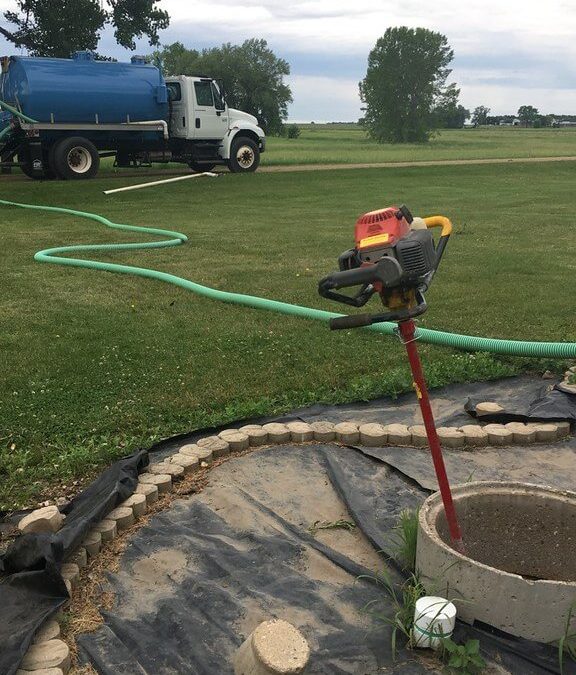
Septic inspections typically involve checking the tank's condition, the distribution box, and the drain field. Homeowners should be aware of common issues such as clogs or leaks, which can lead to costly repairs if not addressed promptly. Regular inspections help maintain the system's efficiency and prolong its lifespan, ensuring a safe and functional waste management solution.
Understanding the Importance of Regular Septic Maintenance
Regular maintenance of your septic system is vital to prevent unexpected failures and costly repairs. This heading emphasizes the need for periodic checks and maintenance routines that can help homeowners avoid significant issues down the line. Understanding the maintenance requirements can enhance the longevity and efficiency of your septic system.
Homeowners should schedule routine inspections and pump their septic tanks every 3 to 5 years, depending on usage and tank size. Additionally, keeping the area around the septic system clear of trees and heavy landscaping can prevent root intrusion and damage. By prioritizing maintenance, homeowners can ensure their septic systems operate smoothly and efficiently.
Common Myths About Septic Inspections Debunked
There are many misconceptions surrounding septic inspections that can mislead homeowners. This section aims to clarify these myths and provide accurate information about what septic inspections entail. By debunking these myths, homeowners can approach inspections with a clearer understanding and avoid unnecessary fears.
One common myth is that septic systems do not require any maintenance once installed. In reality, regular inspections and maintenance are essential for preventing system failures. Another misconception is that all septic tank problems are easily visible. Many issues can occur underground, making professional inspections critical for identifying hidden problems before they escalate.
How to Choose the Right Inspection Service for Your Septic System
Selecting a qualified inspection service is essential for ensuring a thorough and accurate evaluation of your septic system. This heading provides guidance on what to look for when hiring an inspection service, ensuring that homeowners make informed choices that protect their investment.
When choosing an inspection service, consider factors such as the company's certifications, experience, and customer reviews. It's also beneficial to ask about the specific inspection techniques they use and whether they provide a detailed report after the inspection. A reputable service will not only inspect the system but also offer recommendations for maintenance and repairs, ensuring your septic system remains in optimal condition.