
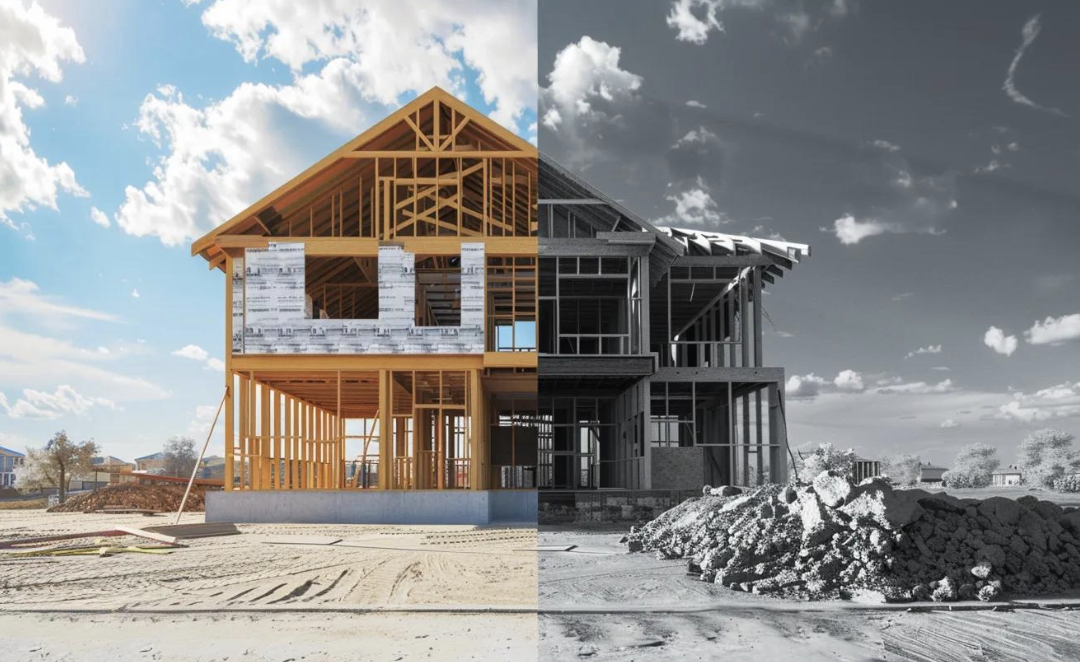
Your Complete Guide to Final Inspections and Quality Assurance
New construction phase inspections play a critical role in the overall build quality from Foundation to Final phases. Homebuyers and realtors benefit from these inspections, as they help identify potential issues prior to closing.
Learn more about Kissee Inspection Services and how their team supports homebuyers and builders throughout the process.
What Are New Construction Phase Inspections and Why Are They Essential?
These inspections are essential as they can identify defects or installation issues early in the construction process. Thus, reducing future costly repairs or delays later in the project. Also, the Builders have another set of eyes to identify potential issues and held to accountability.
For detailed guidance on services, visit the New Construction Phase Inspections page.
How Do Phase Inspections Ensure Quality Assurance in Construction?
Phase inspections ensure quality assurance by systematically evaluating the construction process at critical milestones. Inspectors assess structural integrity, safety compliance, and adherence to design specifications. Common quality assurance practices include:
- Thorough Documentation: Inspectors maintain detailed records of findings, which can be invaluable for future reference.
- Regular Communication: Ongoing dialogue between inspectors and contractors helps address issues promptly.
- Final Approval: A final inspection confirms that previously identified issues have been addressed before the property is submitted for municipal occupancy approval.
These mechanisms collectively contribute to a higher quality of construction and greater satisfaction for all parties involved.
Who Benefits from New Construction Phase Inspections in Texas?
Several stakeholders benefit from new construction phase inspections, including:
- Homebuyers: Gain confidence that their new home meets safety and quality standards.
- Sellers: Ensuring that a property is up to code can enhance its marketability and value.
- Real Estate Agents: Agents can provide clients with assurance about the quality of the properties they are buying or selling.
Understanding these benefits helps stakeholders make informed decisions throughout the construction process. For more on the company behind these inspections, check the About Kissee Inspection Services page.
What Are the Key Building Phase Inspections in New Home Construction?
Key building phase inspections in new home construction include several critical evaluations that ensure the project adheres to safety and quality standards. These inspections typically cover:
- Foundation Phase Inspections: Assess the integrity of the foundation before it is covered.
- Framing Phase Inspections: Evaluate the structural framework of the building.
- Mechanical, Electrical, and Plumbing (MEP) Inspections: Check the installation of essential systems before walls are closed.
- Final Walkthrough Inspections: Conducted before occupancy to ensure everything is in order.
Each inspection plays a vital role in the overall success of the construction project.
What Does the Foundation Phase Inspection Checklist Include?
The foundation phase inspection checklist typically includes the following items:
- Soil Compaction: Ensuring the soil is adequately compacted to support the structure.
- Footing Depth: Verifying that footings are at the correct depth and width according to local codes.
- Reinforcement Placement: Checking that rebar and other reinforcements are correctly positioned and secured.
Identifying issues at this stage prevents significant problems later in the construction process.
How Is the Framing Phase Inspection Conducted and What Are Common Defects?
The framing phase inspection evaluates the structural framework of the building. Inspectors look for:
- Alignment: Ensuring that walls and beams are properly aligned and plumb.
- Material Quality: Verifying that materials used meet specified standards and are free from damage.
- Common Defects: Issues such as bowing walls, improperly installed trusses, or missing structural connectors.
Addressing these defects early can save time and costs associated with repairs later in the project. Advanced technologies are also being explored to automate the detection of common framing defects, enhancing efficiency and accuracy.
How Is the Final Home Inspection New Build Conducted for Occupancy Approval?
The final home inspection is a comprehensive evaluation conducted before a new build is approved for occupancy. This inspection helps verify that all aspects of construction align with local building codes and safety standards. Inspectors check:
- Safety Features: Ensuring smoke detectors, carbon monoxide detectors, and other safety devices are installed and functional.
- Final Touches: Verifying that all finishes, such as flooring, cabinetry, and paint, are completed to a satisfactory standard.
- Compliance: Confirming the home complies with building codes and that all required permits and inspections have passed.
This thorough inspection ensures the home is safe and ready for its new occupants.
When Should You Schedule the Final Inspection in the New Home Inspection Process?
The final inspection should be scheduled once all construction work is completed and punch list items have been addressed, typically prior to the municipal final inspection and certificate of occupancy approval. Factors affecting scheduling include:
- Completion of All Work: Ensure that all construction tasks are finished and any punch list items are addressed.
- Weather Conditions: Consider potential delays due to weather, especially for exterior work.
- Availability of Inspectors: Coordinate with local inspectors to secure a timely appointment.
Planning ahead can help avoid last-minute issues that could delay occupancy.
What Are the Critical Quality Assurance Checks During the Final Walkthrough?
During the final walkthrough, several critical quality assurance checks should be performed, including:
- Functionality of Systems: Testing HVAC, plumbing, electrical, and appliances to ensure they operate correctly.
- Visual Inspection: Checking for any visible defects, damage, or unfinished work.
- Documentation Review: Ensuring all necessary permits, warranties, and inspection reports are in order.
These checks are essential for confirming that the home is ready for occupancy and meets all safety standards.
How Can You Schedule and Prepare for Your New Construction Inspection?
Scheduling and preparing for your new construction inspection involves several key steps to ensure a smooth process. Start by confirming the required municipal inspections with your local building department and scheduling any third-party phase inspections with a licensed inspector. Preparation should include:
- Gathering Documentation: Collect all relevant plans, permits, and previous inspection reports.
- Communicating with Contractors: Ensure that all contractors are aware of the inspection schedule and any necessary preparations.
- Conducting Pre-Inspection Walkthroughs: Perform your own walkthrough to identify any potential issues before the official inspection.
These steps can help streamline the inspection process and ensure that everything is in order.
What Are the Typical Pricing and Scheduling Options for Phase Inspections?
Pricing for phase inspections can vary based on the complexity of the project, location, and the specific services required. Typical options include:
- Flat Fees: Many inspectors charge a flat fee for each phase inspection.
- Hourly Rates: Some may charge by the hour, especially for more complex evaluations or additional consulting.
- Package Deals: Bundled services for multiple inspections may offer cost savings.
Understanding these options can help you budget effectively for your construction project.
How Does Kissee Inspection Services Support Homebuyers and Real Estate Agents?
Kissee Inspection Services provides comprehensive support for homebuyers and real estate agents throughout the inspection process. Their services include:
- Phased Inspection Services: Detailed evaluations at various construction stages to assess workmanship quality and identify potential compliance concerns.
- Expert Guidance: Knowledgeable inspectors offer insights and recommendations based on their findings.
- Documentation Support: Providing thorough reports that can be shared with all stakeholders involved in the transaction.
By leveraging these services, clients can navigate the complexities of new construction with confidence and assurance.