Importance of New Construction Inspections
New construction inspections are vital for ensuring that a newly built home meets all safety and quality standards. These inspections help identify potential issues early in the construction process, allowing for timely corrections that can save homeowners from costly repairs down the line.
For instance, inspections can uncover problems such as poor workmanship, code violations, and safety hazards before they become entrenched. By addressing these issues early, homeowners can ensure their new home is not only compliant with building codes but also a safe and comfortable living environment.
Key Stages of New Construction Inspections
New construction inspections typically occur at various stages throughout the building process, each focusing on different aspects of the construction. Common stages include foundation, framing, plumbing, electrical, and final inspections, each designed to verify that the work meets the required standards.
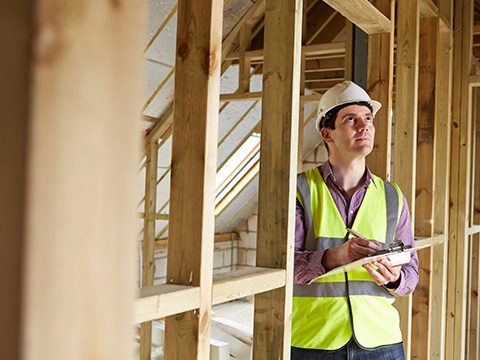
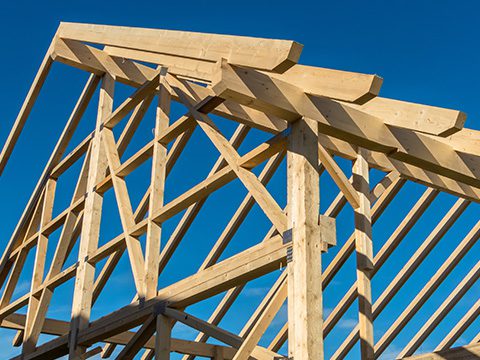
For example, during the framing inspection, the structural integrity of the home is assessed before walls are closed up. This stage is crucial as it ensures that the framework is sound and compliant with local building codes, preventing future structural issues.
How to Choose the Right Inspector for Your New Home
Selecting a qualified inspector is essential for a thorough assessment of your new construction home. Homeowners should look for inspectors with relevant certifications, experience in new construction, and a solid reputation in the community.
To find the right inspector, consider asking for recommendations from friends or real estate professionals, checking online reviews, and interviewing potential candidates. A good inspector will not only have the necessary qualifications but will also communicate effectively and provide a detailed report of their findings.
What to Expect During a New Construction Inspection
During a new construction inspection, homeowners can expect a comprehensive evaluation of their property. Inspectors will assess various aspects, including the quality of materials used, adherence to building codes, and overall workmanship.
Homeowners should be prepared for the inspector to discuss findings in detail and provide insights into any issues that may need addressing. This transparency is crucial, as it helps homeowners understand the condition of their new home and the steps necessary to rectify any problems identified during the inspection.