How to Choose the Right Home Inspector
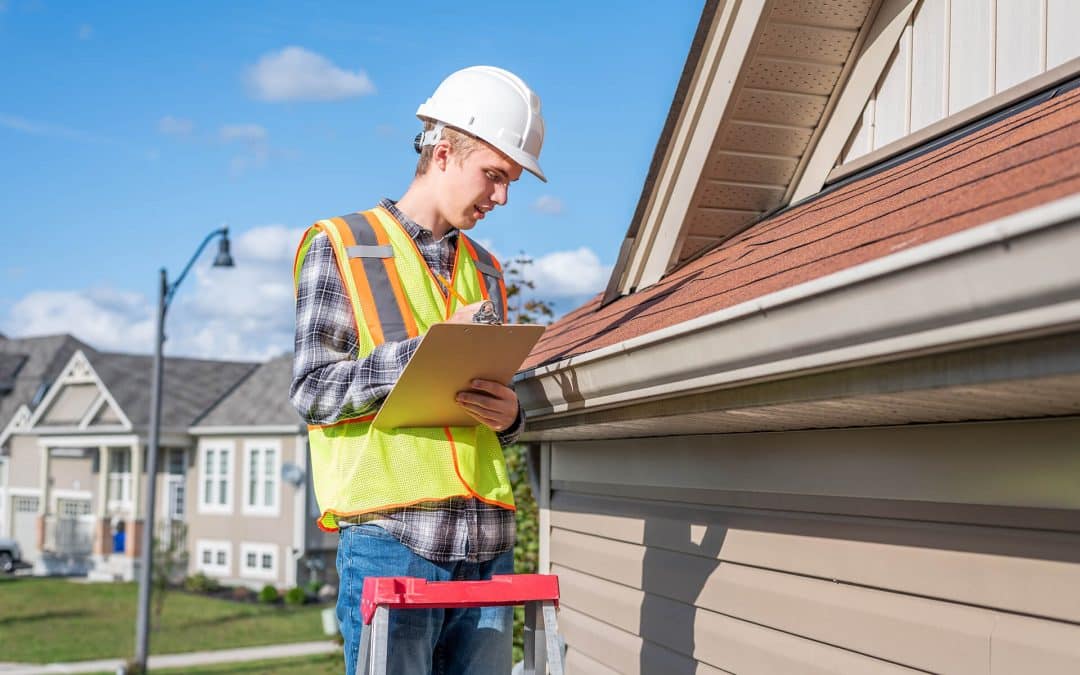
Choosing the right home inspector is critical for ensuring a thorough evaluation of the property you are interested in. Look for inspectors who are certified, have good reviews, and offer a detailed report post-inspection. It's also beneficial to inquire about their experience with homes similar to the one you are considering, as this can provide insights into potential issues specific to that type of property.
When selecting a home inspector, consider asking for references or checking online reviews. A trustworthy inspector should be willing to share their credentials and provide a sample inspection report. Additionally, discussing their inspection process and what tools they use can help you gauge their thoroughness and professionalism, ensuring you make an informed choice.
Preparing for Your Home Inspection
Preparation for a home inspection can significantly impact the outcome. Homebuyers should ensure that the inspector has access to all areas of the home, including attics, basements, and crawl spaces. It's also wise to remove any obstacles that may hinder the inspection process, such as furniture or personal belongings, to allow for a comprehensive evaluation.
Additionally, being present during the inspection can provide valuable insights. It allows you to ask questions and understand the inspector’s findings in real-time. Taking notes and asking for clarifications on any issues discovered can also help you make better-informed decisions regarding repairs or negotiations with the seller.
What to Expect After the Home Inspection
After the home inspection, you can expect to receive a detailed report outlining the inspector's findings. This report typically includes photographs, descriptions of any issues found, and recommendations for repairs. Understanding this report is crucial, as it will guide your next steps in the home buying process.
In many cases, the inspection report can serve as a negotiation tool. If significant issues are identified, you may be able to request repairs or a price reduction from the seller. Being prepared to discuss the findings with your real estate agent can help you navigate these negotiations effectively, ensuring you protect your investment.
The Role of Home Inspections in Real Estate Transactions
Home inspections play a pivotal role in real estate transactions by providing a clear picture of the property's condition. They help buyers make informed decisions and can reveal potential issues that may not be visible during a casual walkthrough. This transparency is essential for both buyers and sellers, as it fosters trust and helps avoid future disputes.
Moreover, home inspections can expedite the buying process by identifying problems early on. This allows sellers to address issues before listing their home or enables buyers to negotiate repairs or adjust their offers based on the inspection results. Ultimately, a home inspection can be a valuable investment that protects both parties involved in the transaction.