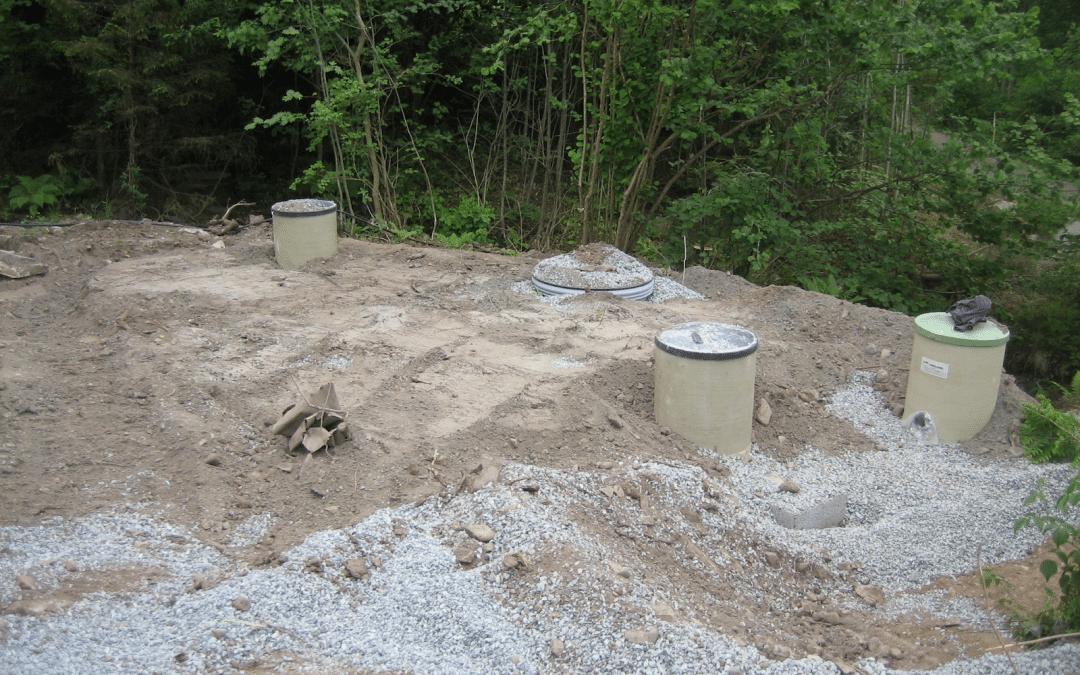
Understanding Septic System Components
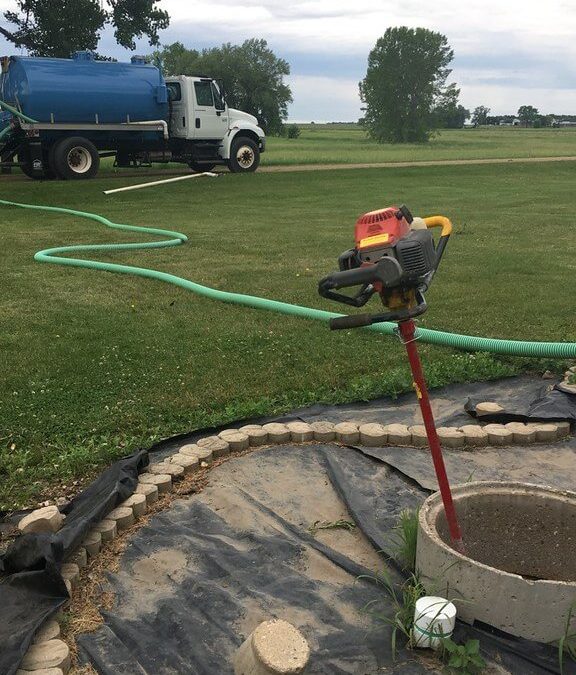
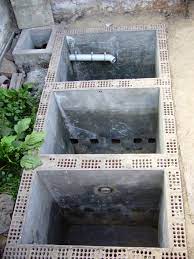
To effectively manage a septic system, homeowners must understand its key components, including the septic tank, drain field, and distribution box. Each part plays a crucial role in the treatment and disposal of wastewater, ensuring that harmful contaminants are filtered out before reaching the groundwater.
For instance, the septic tank is designed to hold wastewater long enough for solids to settle at the bottom, forming sludge, while lighter materials float to the top, creating scum. Regular maintenance and inspections of these components can prevent costly repairs and ensure the system operates efficiently.
Signs Your Well Water Needs Testing
Homeowners relying on well water should be vigilant for signs that indicate the need for water testing. Changes in taste, odor, or color can suggest contamination, which could pose health risks to your family.
Additionally, if there are any recent floods, nearby construction, or agricultural activities, it's wise to test your well water for contaminants like bacteria, nitrates, and heavy metals. Regular testing can help ensure your water remains safe and potable.
Tips for Maintaining Your Well System
Maintaining a well system is essential for ensuring a consistent and safe water supply. Simple practices such as keeping the wellhead clean, ensuring proper drainage around the well, and scheduling regular maintenance checks can greatly enhance the longevity of your well.
Moreover, installing a well cap can protect against surface contaminants, while periodic inspections can help identify potential issues before they escalate. Homeowners should also be aware of local regulations regarding well maintenance to comply with safety standards.
The Financial Benefits of Regular Inspections
Investing in regular septic and well inspections can lead to significant financial savings for homeowners. By identifying potential issues early, costly repairs can be avoided, and the lifespan of the systems can be extended.
Furthermore, maintaining a well-functioning septic system can enhance property value, especially when selling a home. Buyers are more likely to invest in properties with documented maintenance histories and recent inspections, making it a worthwhile investment for homeowners.