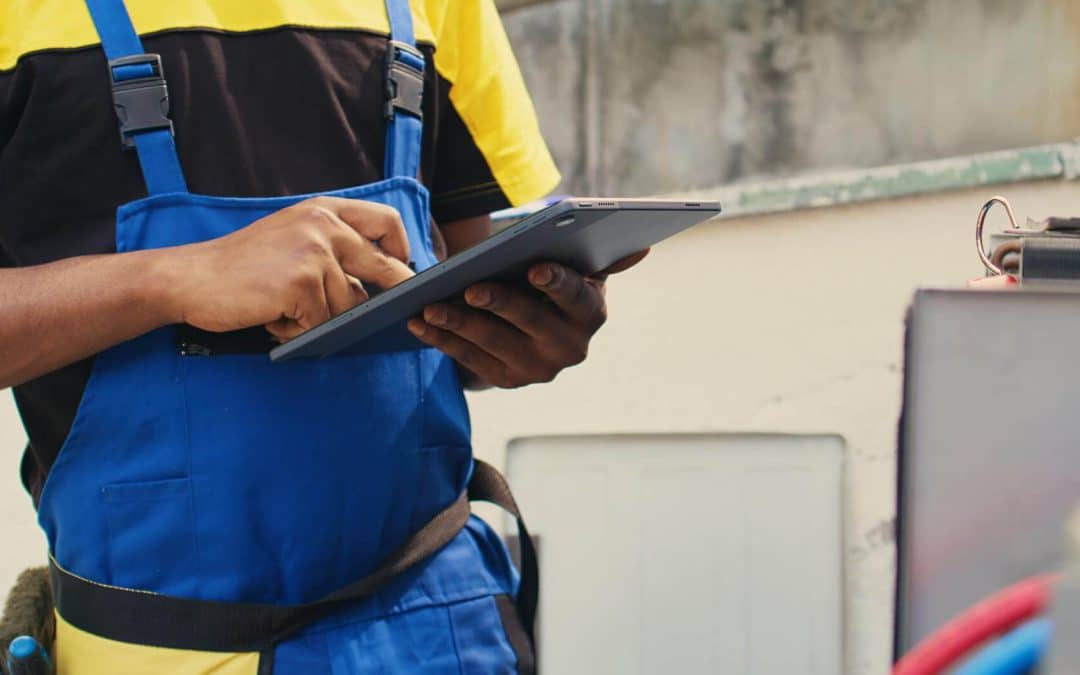
What to Expect During a Home Warranty Inspection
Understanding what occurs during a home warranty inspection can help homeowners prepare adequately. Typically, a certified inspector will evaluate various systems and appliances in the home, ensuring they are functioning as intended and identifying any potential issues that could lead to costly repairs.
During the inspection, common areas of focus include plumbing, electrical systems, HVAC units, and major appliances. Homeowners should be present to ask questions and gain insights into the condition of their home, which can inform maintenance decisions and warranty claims.
Preparing for Your Home Warranty Inspection
Preparation is key to ensuring a smooth home warranty inspection process. Homeowners should take time to clear access to critical areas such as the attic, basement, and utility rooms, allowing the inspector to perform a thorough evaluation without hindrance.
Additionally, it is advisable to gather any relevant documentation, including previous inspection reports or maintenance records. This information can provide the inspector with a clearer picture of the home’s history and any past issues that may need to be addressed.
Frequently Asked Questions About Home Warranty Inspections
Homeowners often have many questions regarding home warranty inspections, particularly about what is covered and how the process works. Common queries include the duration of the inspection, the types of issues that can be flagged, and how to handle findings from the inspection report.
To address these concerns, it is helpful to provide a detailed FAQ section that outlines common scenarios, clarifies the inspection process, and offers guidance on next steps following an inspection. This resource can empower homeowners to make informed decisions regarding their home warranty coverage.
The Importance of Regular Home Inspections
Regular home inspections, including warranty inspections, are vital for maintaining the safety and value of a property. These inspections can uncover hidden issues that may not be apparent to the homeowner, preventing potential hazards and costly repairs down the line.
By scheduling regular inspections, homeowners can stay ahead of maintenance needs and ensure their home remains in optimal condition. This proactive approach not only enhances safety but also contributes to the longevity of the home and its appliances.