
What Can Be Found Prior to Insulation & Drywall Installation?

Pre-drywall inspections are an essential part of the new construction process, providing an opportunity to identify and address potential issues before drywall installation conceals the structural and mechanical systems. For homebuyers in Texas, understanding what these inspections entail can help ensure the home is built safely, meets building codes, and avoids costly repairs later. This article explains the key components inspected during a pre-drywall evaluation, why these inspections are important, and how Kissee Inspection Services can help protect your investment.

What Is a Pre-Drywall Inspection?

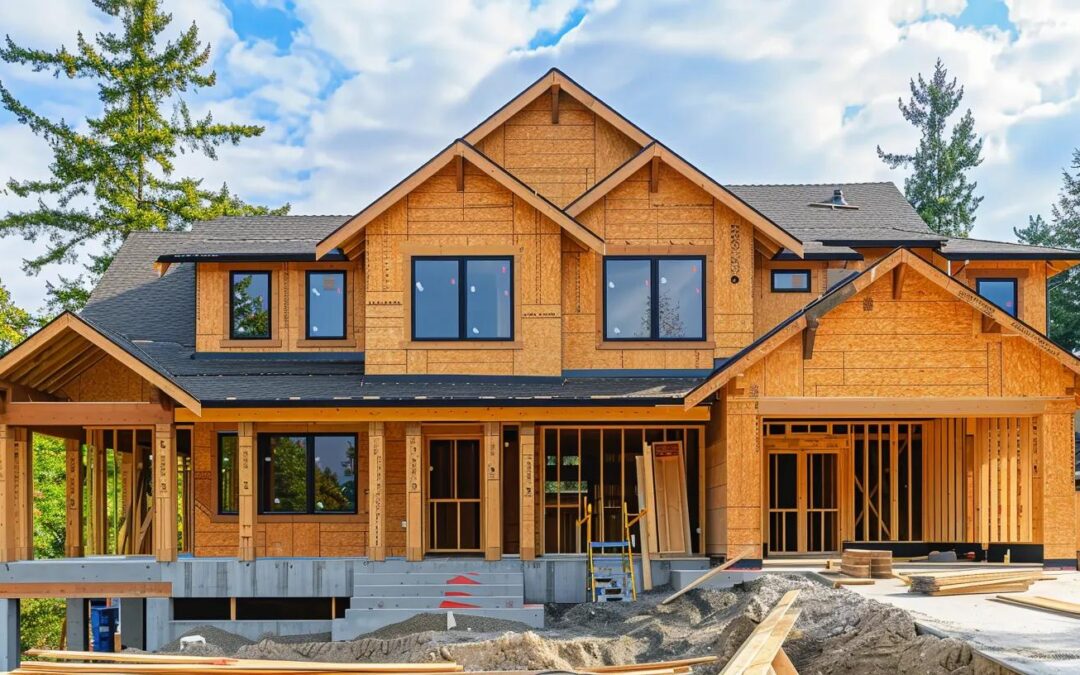
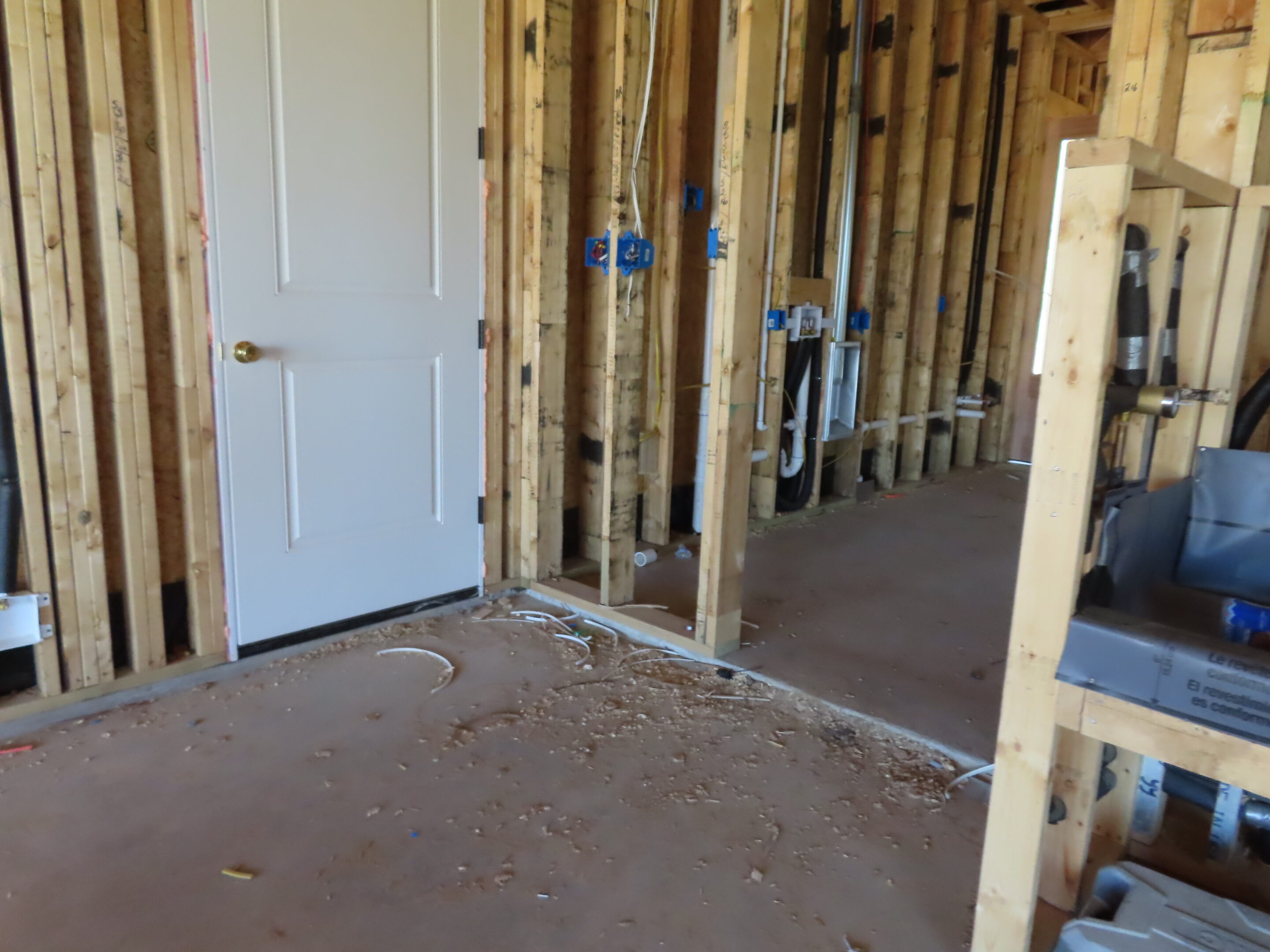
A pre-drywall inspection is performed after framing, plumbing, electrical, and HVAC rough-ins are complete, but before insulation and drywall installation. This timing allows inspectors to examine the hidden elements of the home’s construction, including the structural framework, mechanical systems, and insulation readiness. The goal is to verify that all work complies with local building codes and industry standards, and to identify any defects or incomplete work that could affect the home’s safety, durability, or performance.

Key Areas Evaluated During Pre-Drywall Inspections

During a thorough pre-drywall inspection, several critical components are reviewed:

  • Framing and Structural Elements: Inspectors check that the framing is properly aligned, securely fastened, and built according to approved plans. This includes examining load-bearing walls, beams, joists, trusses, and roof sheathing to ensure structural integrity.
  • Electrical Rough-In: The electrical system is inspected for correct wiring installation, proper placement of outlets, switches, and junction boxes, and adherence to safety codes. This helps prevent future electrical hazards.
  • Plumbing Rough-In: Inspectors verify that water supply lines, drain pipes, and venting systems are correctly installed and free of leaks. Proper plumbing installation at this stage prevents water damage and mold growth.
  • HVAC Rough-In: The heating, ventilation, and air conditioning ductwork and equipment placement are checked to ensure efficient airflow and compliance with design specifications.
  • Insulation Readiness: Before insulation is installed, inspectors confirm that framing and mechanical systems are ready and that there are no obstructions or issues that could affect insulation performance.
  • Windows and Doors: Proper installation and sealing of windows and doors are reviewed to prevent air and water infiltration, which can impact energy efficiency and indoor comfort.
  • Roof Sheathing and Decking: The roof’s structural components are examined for proper installation, fastening, and weatherproofing to protect the home from leaks and structural damage.
Why Pre-Drywall Inspections Matter

Identifying issues before drywall installation is critical because once the walls are closed, many defects become hidden and costly to repair. Early detection allows builders and homeowners to address problems promptly, saving time and money. For example, correcting framing errors or plumbing leaks before drywall prevents extensive demolition and reconstruction later. Additionally, ensuring compliance with building codes at this stage helps avoid delays in final inspections and potential legal complications.

Pre-drywall inspections also provide peace of mind to homebuyers by confirming that the home’s essential systems are installed correctly and safely. This proactive approach supports a smoother construction process and contributes to the long-term durability and comfort of the home.

Common Issues Found During Pre-Drywall Inspections

Some of the most frequent problems uncovered during these inspections include:

  • Improper Framing: Misaligned studs, inadequate fastening, or missing structural supports can compromise the building’s stability.
  • Plumbing Deficiencies: Leaks, incorrect pipe slopes, or improperly installed venting can lead to water damage and mold.
  • Electrical Concerns: Faulty wiring, incorrect box placement, or missing grounding pose safety risks.
  • HVAC Installation Errors: Poorly sealed ductwork or incorrect equipment placement can reduce system efficiency.
  • Insulation Barriers: Obstructions or incomplete framing can prevent proper insulation installation, affecting energy efficiency.
  • Window and Door Installation Issues: Gaps or improper sealing can cause drafts and water intrusion.
  • Roof Sheathing Problems: Loose or improperly fastened decking can lead to leaks and structural damage.

Common Defects Found During Pre-Drywall Inspections

Defect TypeAttributeImpact on Construction
Improper FramingMisaligned or missing studsCompromised structural integrity
Plumbing IssuesLeaks or incorrect pipe slopesWater damage and mold risk
Electrical ProblemsFaulty wiring or improper groundingFire hazards and safety concerns
HVAC Installation ErrorsLeaky ductwork or poor equipment placementReduced system efficiency and comfort
Window/Door InstallationImproper sealing or gapsAir and water infiltration

How to Schedule a Pre-Drywall Inspection and What to Expect

Scheduling a pre-drywall inspection with Kissee Inspection Services is an EASY and straightforward process. They will help you step by step.

Homebuyers work with their project manager or sales rep to arrange the inspection after the framing and rough-in work for plumbing, electrical, and HVAC systems are complete, but before insulation or drywall installation begins. The client will then contact us to schedule accordingly.  This timing ensures that all critical components are accessible for evaluation.

During the inspection, a qualified inspector will conduct a detailed review of the structural and mechanical systems, documenting any deficiencies or apparent code deficiencies. After the inspection,  clients get a comprehensive report outlining findings with pictures and recommendations for corrective actions emailed the same day.. This report can be used to address issues with the builder or subcontractors before the walls are enclosed.

CALL Kissee Inspection Services to schedule! They offer other services such as: homebuyers inspection before purchasing a home, 11-month Warranty inspections, Pool, Septic, WDI, Pre-Listing and Commercial services to name a few.

Understanding Building Codes and Compliance in Texas

Although Professional Inspectors are not “Code Inspectors” persay, they still need the knowlege. Building codes in Texas establish minimum standards for construction to ensure safety, durability, and energy efficiency. City Inspectors are the Code Inspectors. However, keep in mind, with the magnitude of home building, they are overworked which can lead to errors. That’s why it is essential for homebuyers to hire a third party ie. Kissee Home Inspections. Pre-drywall inspections verify that framing, plumbing, electrical, HVAC, and other systems meet these codes. Compliance helps prevent costly rework, legal issues, and safety hazards. Kissee Inspection Services stays current with Texas building codes to provide accurate and reliable inspections that protect homeowners and builders alike.

Protect Your Investment with a Pre-Drywall Inspection

Remember, no one will protect your assets, finances and family like you do!  With homes being built extremely fast, with mostly an unlicensed labor force and overworked City Inspectors, it is VITAL you hire a professional inspector. – Don’t wait until it’s too late to catch construction issues that can cost $$$$$.

Schedule a professional pre-drywall inspection with Kissee Inspection Services to ensure your new home in Texas is built right from the start.

Ready to schedule? Contact Kissee Inspection Services today to book your inspection or ask any questions.

Request FREE Quote

  • Kissee Inspection Services
    Step 1: Your Personal Details

  • Kissee Inspection Services
  • Kissee Inspection Services
    Kissee Inspection Services
    Step 2: Your Property Details

  • Kissee Inspection Services
  • Kissee Inspection Services
    Kissee Inspection Services
    Step 3: Additional Details

Step 1 of 3

  • This field is for validation purposes and should be left unchanged.
  • Your Personal Details

    Let us know what to call you and how to contact you.