Expert Home Inspection Tips and Resources
Home inspections are a critical step in the home buying and selling process, ensuring that properties are safe and well-maintained. This guide aims to provide homeowners with expert advice and resources to navigate the complexities of home inspections effectively.
From understanding what inspectors look for to preparing your home for an inspection, this section covers essential tips that will empower homeowners. By being informed, you can address potential issues before they become significant problems, ensuring a smoother transaction and a safer living environment.
Essential DIY Maintenance Tips for Homeowners
Regular maintenance is key to preserving the value and safety of your home. This section offers practical DIY maintenance tips that homeowners can implement to keep their properties in top condition, preventing costly repairs down the line.
Examples include seasonal checklists, such as cleaning gutters, inspecting roofs, and maintaining HVAC systems. By following these guidelines, homeowners can proactively manage their property’s upkeep and ensure it remains inspection-ready at all times.
Understanding Home Inspection Reports
A home inspection report can be overwhelming, filled with technical jargon and detailed observations. This section breaks down how to read and interpret these reports, highlighting the most critical findings and what they mean for you as a homeowner.
We will discuss common issues found in inspections, how to prioritize repairs, and when to seek professional advice. Understanding your inspection report is vital for making informed decisions about your property and addressing any necessary repairs promptly.
The Importance of Regular Septic System Maintenance
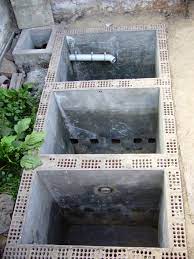
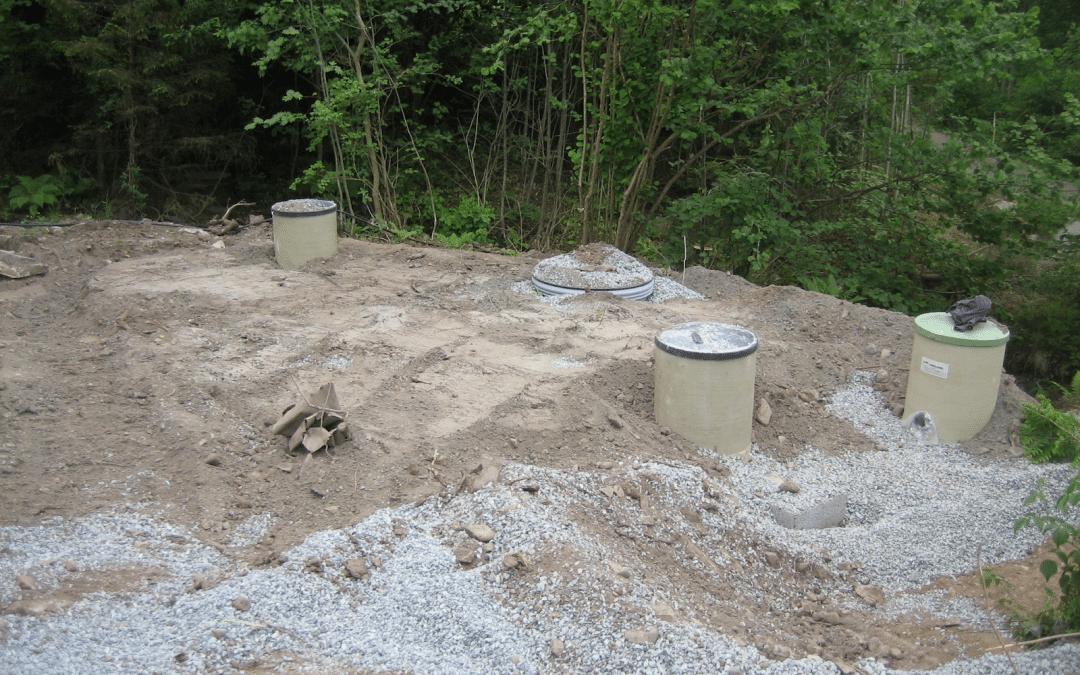
Septic systems are essential for homes not connected to municipal sewer systems, and regular maintenance is crucial for their longevity and efficiency. This section emphasizes the importance of routine inspections and maintenance tasks to prevent failures that could lead to costly repairs.
Homeowners will learn about the signs of septic issues, recommended pumping schedules, and how to maintain their systems effectively. By staying proactive, you can avoid emergencies and ensure your septic system operates smoothly for years to come.