

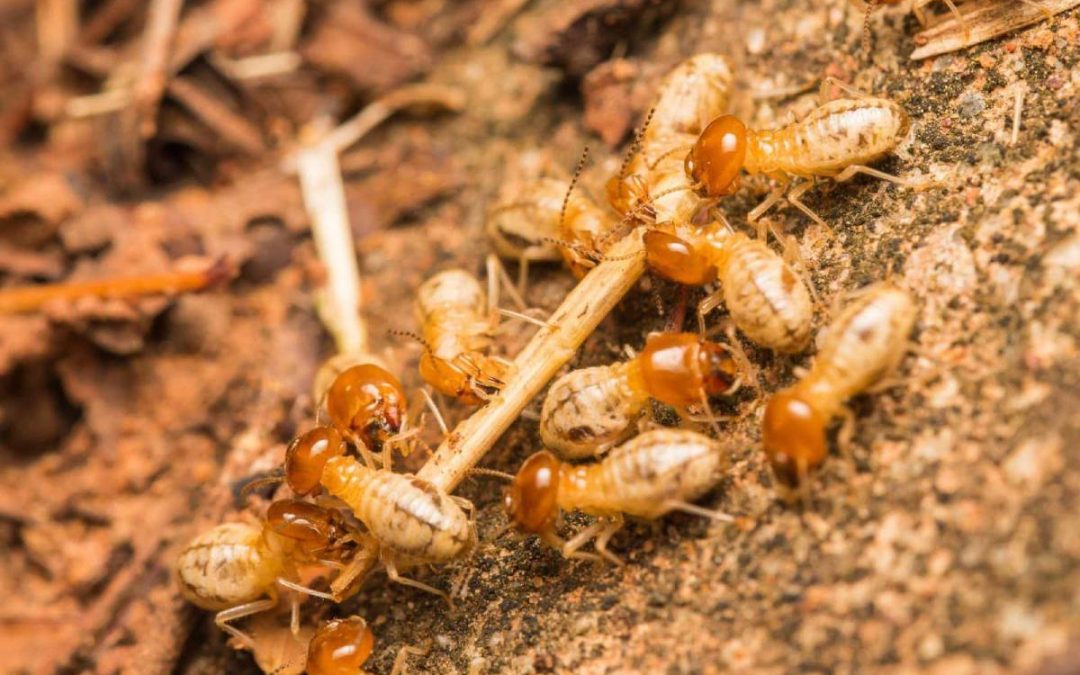
Termites are some of the most frustrating creatures that can invade a home, causing far more damage than mice or rats. Yearly, termites cost homeowners billions of dollars by destroying the wooden frames and foundations of houses. They eat through support beams and structures from the inside out, making it hard for owners to notice until they have already caused significant damage.
There are a few ways to tell if you have termites in your house. Some of the easiest hints to recognize are:
- Discarded Termite Wings
- Termite Droppings
- Mud Tubes
- Warped Hardwood Flooring
- Stuck Windows or Doors
These are some of the most recognizable signs that can help you determine if your home has one of the varieties of termites.
What Are Termites?
Termites are small insects less than half an inch in size, with about 50 species found in almost all parts of the United States. These species generally fall into one of three categories: Subterranean, Drywood, and Dampwood. Termites live in colonies that vary in size and come in a variety of species. They feed on cellulose – one of the primary components of wood, plants, and cardboard.
Of the three types of termites, Dampwood termites are generally not a problem for homeowners because the wood used in housing construction does not contain enough moisture for these insects. Dampwood termites mostly remain outside where wood with high moisture content can be found, such as naturally rotting tree logs. Other termites are attracted to homes due to their abundant food supply in wooden support beams and framing and the moisture accompanying leaky pipes, insufficient drainage, and poor airflow.
Signs of a Termite Infestation

Discarded Termite Wings
Termites are not generally flying insects, except for the period in the colony’s life when they begin to swarm. A termite swarm occurs when winged adult reproductive members of the colony branch out to find new mates outside their current colony, forming new colonies in these groups. These swarming cycles happen during the warmer spring or summer months, although the specific time can vary depending on where you live and the type of termite.
Swarmers can be found in all species of termites within the United States, including dampwood termites, subterranean termites, and drywood termites. When the swarmers find a new location to establish the colony, they will lose their wings and mate to start building the colony, with one of the females becoming a new queen to lay eggs.
One of the reasons the swarms are such a problem for homeowners is that termites are attracted to lights from inside the house and often twist off their wings outside access points like windows and doors. These wings do not mean that the termites are dead, as the swarmers intentionally shed off their wings once they have found a location to build up the new colony.
As such, piles of discarded termite wings near your home can mean that a colony is building nearby.
Termite Droppings
Termite droppings, also called frass, are exclusive to drywood termites that nest inside of wood. Unlike subterranean termites that nest underground and forage for food, the drywood termites eat and nest within the wood. This frass is the waste produced by the termites as they eat up the cellulose-rich wood that makes up their diet. It is formed into pellets smaller than a grain of rice and often the color of the drywood being consumed. Their waste is pushed out of the nests and falls around the damaged wood.
Mud Tubes
Mud tubes are pencil-sized tubes made of small bits of soil or wood near termite nests or wood structures that subterranean termites commonly use. Subterranean termites build these tubes to help protect themselves from predators and environmental dangers as they travel from the nest to the food source and back. They help termites maintain the environment they need to survive by ensuring that they have the correct temperature and humidity levels, blocking out cool, dry air that might harm them. They are one of the most obvious signals of termite presence, as any other type of insect does not often replicate mud tubes.
Warped Flooring
As termites work from the inside of the wood out, it can be difficult to notice any damage occurring until there is suddenly a hole in your wall or floor after you bump into a weak spot. A few early signs can help you catch an infestation before it occurs.
Subterranean termites that eat up into the house will eat the subflooring of a house, as some types of hardwood can be difficult for the termites to digest, and they prefer the softwood underneath. Although the subfloor is not visible and you cannot visually spot such damage, it does cause changes to the hardwood laying overtop you can spot.
The floor may warp or buckle as part of its support is slowly eaten away. It may become discolored or excessively squeaky as the termites eat away and cause the weakened board to become more susceptible to movement. If you have laminate flooring, termite damage might present itself through blistering or sagging, similar to water damage.
Stuck Windows or Doors
Stuck doors or windows previously experiencing no problems are one of the earliest signs of a termite infestation. This symptom is caused due to the termites targeting the wood that makes up windows and doorframes. This wood is exposed, and the termites have easy access to begin tunneling their way in. As they eat through the wood, their tunnels often cause the wood to warp and make it harder to close the doors and windows as the frames no longer lie flush like they are meant to.
Getting Rid of Termites
The easiest way to avoid the problem of termites is to ensure that your home is not an attractive breeding ground, but in some parts of the United States, the humidity level is so high that it is not so much a matter of if termites will invade your home, but when. Suppose you believe that you have caught the infestation fairly early. In that case, you can try applying some termite-killing products to your home’s exterior or interior, or set up termite baits as short-term solutions.
However, you should call an inspector to determine if there is a large colony, at which point professional extermination will become necessary. Getting rid of a large termite colony is challenging, as it can number thousands or even millions of members if the infestation is very advanced.
If you’re unsure you have termites, you can get a Termite (WDI) Inspection Report from a licensed professional like Kissee Inspections. We will determine the presence or absence of termites and other destructive insects on the property. This is often added on to home inspection packages for those selling or buying a new home and wanting to guarantee its market value and viability. Reach out to us with any questions, and schedule your termite inspection today!