Common Issues Detected by Infrared Thermal Imaging
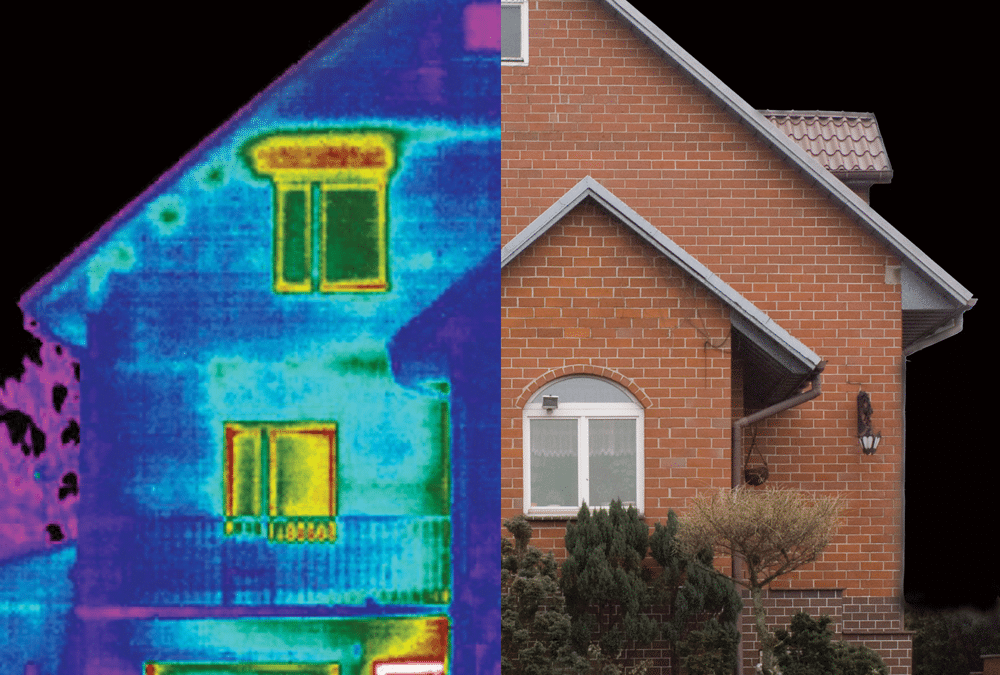
Infrared thermal imaging is a powerful tool that can uncover various hidden issues in homes that traditional inspection methods might miss. Common problems detected include moisture intrusion, which can lead to mold growth, and insulation deficiencies that can affect energy efficiency. Additionally, electrical hotspots can be identified, which may indicate potential fire hazards.
For instance, a thermal imaging inspection can reveal areas where insulation is lacking, particularly in attics or walls, leading to significant energy loss. Similarly, by identifying moisture behind walls or under floors, homeowners can take proactive measures to address leaks before they cause extensive damage. These insights make infrared inspections a valuable investment for maintaining a safe and efficient home.
How Infrared Thermal Imaging Enhances Home Maintenance
Incorporating infrared thermal imaging into regular home maintenance can greatly enhance the overall upkeep of a property. By identifying issues early, homeowners can schedule repairs before they escalate into costly problems. This proactive approach not only saves money but also extends the lifespan of critical home systems.
For example, regular infrared inspections can help detect heating and cooling inefficiencies, allowing homeowners to optimize their HVAC systems. Moreover, by monitoring the condition of roofing and insulation, homeowners can ensure their property remains energy-efficient and comfortable throughout the year. This approach underscores the importance of integrating technology into routine maintenance practices.
Infrared Thermal Imaging: A Tool for Real Estate Transactions
Infrared thermal imaging can play a crucial role in real estate transactions, providing both buyers and sellers with a clearer understanding of a property's condition. For sellers, having an infrared inspection report can enhance marketability by showcasing a proactive approach to home care. Buyers benefit from the assurance that they are making an informed investment.
For instance, a seller who presents an infrared inspection report can instill confidence in potential buyers, reducing the likelihood of negotiations based on undisclosed issues. Conversely, buyers can use this technology to uncover hidden problems that could affect their decision-making, ensuring they are aware of any necessary repairs before finalizing their purchase.
Future Trends in Infrared Thermal Imaging for Home Inspections
The field of infrared thermal imaging is rapidly evolving, with advancements in technology promising to enhance the accuracy and efficiency of home inspections. Emerging trends include the integration of AI and machine learning, which can analyze thermal images more effectively and provide detailed reports on potential issues.
Additionally, the use of drones equipped with thermal cameras is becoming more common, allowing inspectors to assess hard-to-reach areas such as roofs and large commercial properties. These innovations not only improve the inspection process but also increase the accessibility of thermal imaging services for homeowners and real estate professionals alike.