Understanding the Importance of Home Inspections for Buyers
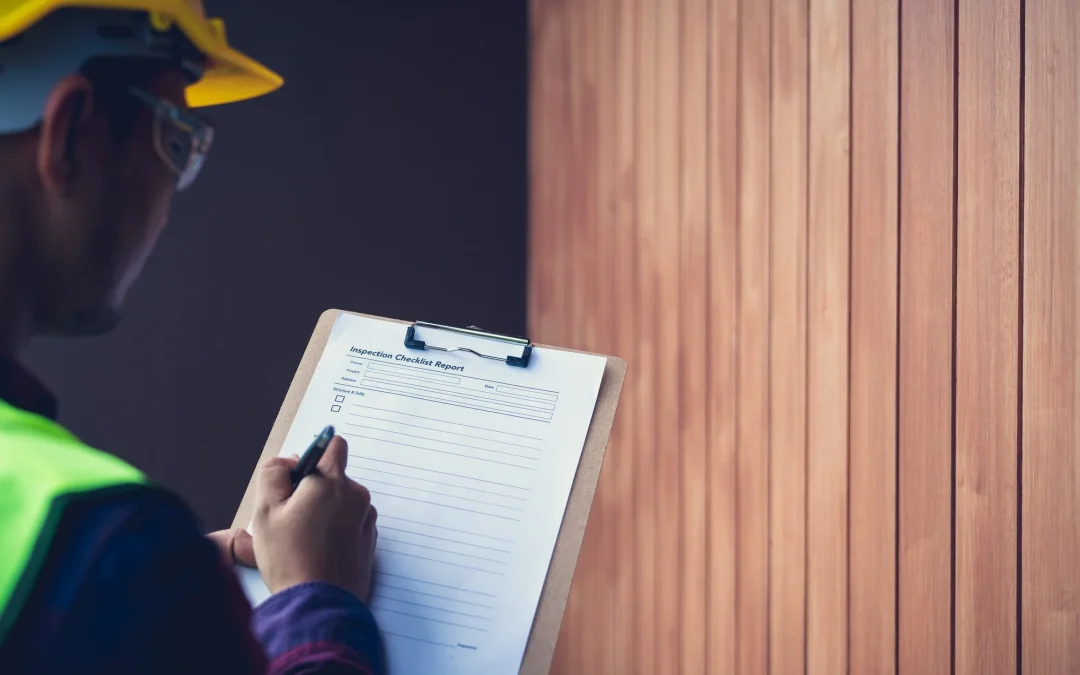
Home inspections play a crucial role in the home-buying process, providing buyers with essential information about the condition of a property. By identifying potential issues before finalizing a purchase, buyers can make informed decisions and negotiate repairs or price adjustments with sellers.
For instance, a thorough inspection can reveal hidden problems such as structural damage, outdated electrical systems, or plumbing issues that may not be visible during a casual walkthrough. This proactive approach helps buyers avoid costly surprises after the sale and ensures they are investing in a safe and sound property.
How to Choose the Right Home Inspector
Selecting a qualified home inspector is vital for ensuring a comprehensive evaluation of a property. Buyers should look for inspectors who are certified, experienced, and have positive reviews from previous clients. It's also beneficial to ask for recommendations from real estate agents or friends who have recently purchased homes.
Additionally, potential buyers should inquire about the inspector's process, the tools they use, and the types of inspections they offer. A good inspector will provide a detailed report that outlines the findings and recommendations, equipping buyers with the knowledge they need to proceed with confidence.
Key Areas to Focus on During a Home Inspection
During a home inspection, several critical areas warrant close attention, including the roof, foundation, plumbing, electrical systems, and HVAC units. Each of these components plays a significant role in the overall safety and functionality of the home.
For example, a compromised roof can lead to water damage and mold growth, while faulty electrical systems can pose serious safety hazards. By focusing on these key areas, buyers can gain a clearer understanding of the property's condition and address any necessary repairs before closing the deal.
Common Misconceptions About Home Inspections
Many homebuyers hold misconceptions about the home inspection process, which can lead to misunderstandings and unrealistic expectations. One common myth is that a home inspection guarantees that a property is free of defects, when in reality, it only provides a snapshot of the home's condition at a specific point in time.
Another misconception is that all issues found during an inspection must be immediately addressed. While significant problems should be prioritized, minor issues can often be managed over time. Educating buyers about these misconceptions can help them approach the inspection process with a more informed and realistic mindset.