Understanding the Home Inspection Process
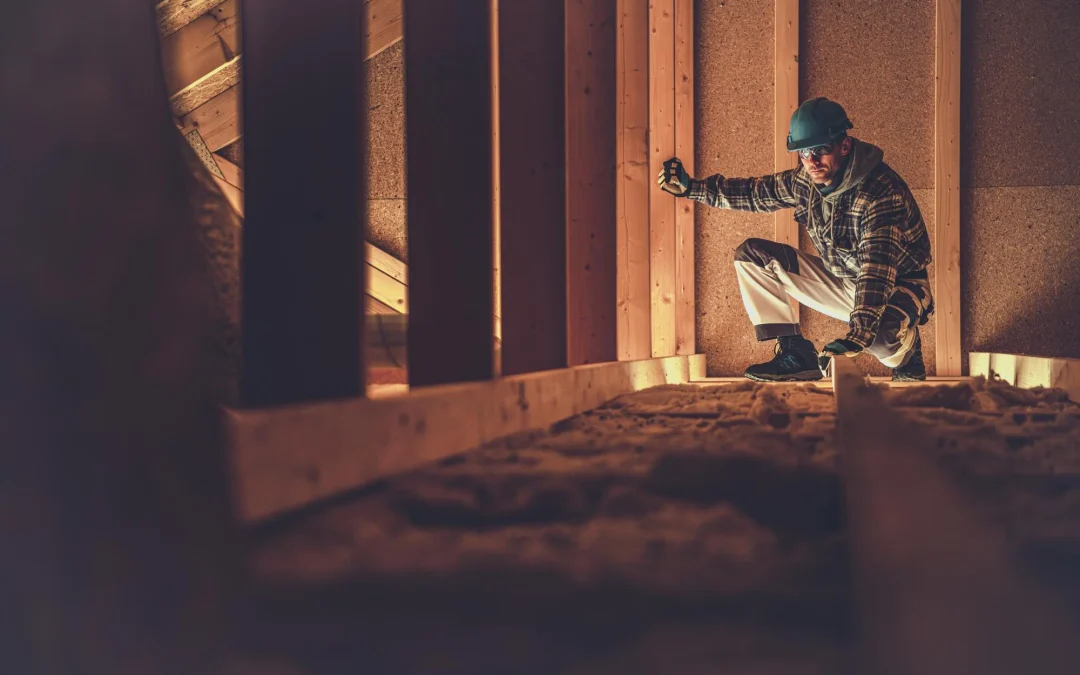
The home inspection process is a vital step for homebuyers, providing a comprehensive evaluation of a property's condition. This process typically involves a thorough examination of the home's major systems, including the roof, plumbing, electrical, and HVAC systems, to identify any existing or potential issues that may affect the property's value or safety.
During a home inspection, buyers will receive a detailed report outlining the inspector's findings, which can serve as a crucial tool for negotiations with the seller. By understanding the inspection process, homebuyers can feel more confident in their purchasing decisions and ensure they are making informed investments in their future homes.
The Role of Home Inspectors in Real Estate Transactions
Home inspectors play a critical role in real estate transactions by providing an unbiased assessment of a property's condition. Their expertise helps buyers understand the true state of a home, allowing them to make informed decisions and avoid costly surprises after purchase.
Qualified home inspectors not only identify current issues but also offer insights into potential future problems, helping buyers prioritize repairs and maintenance. By ensuring that inspections are performed by certified professionals, buyers can trust the information provided and feel secure in their investment choices.
Common Red Flags to Look for During Home Inspections
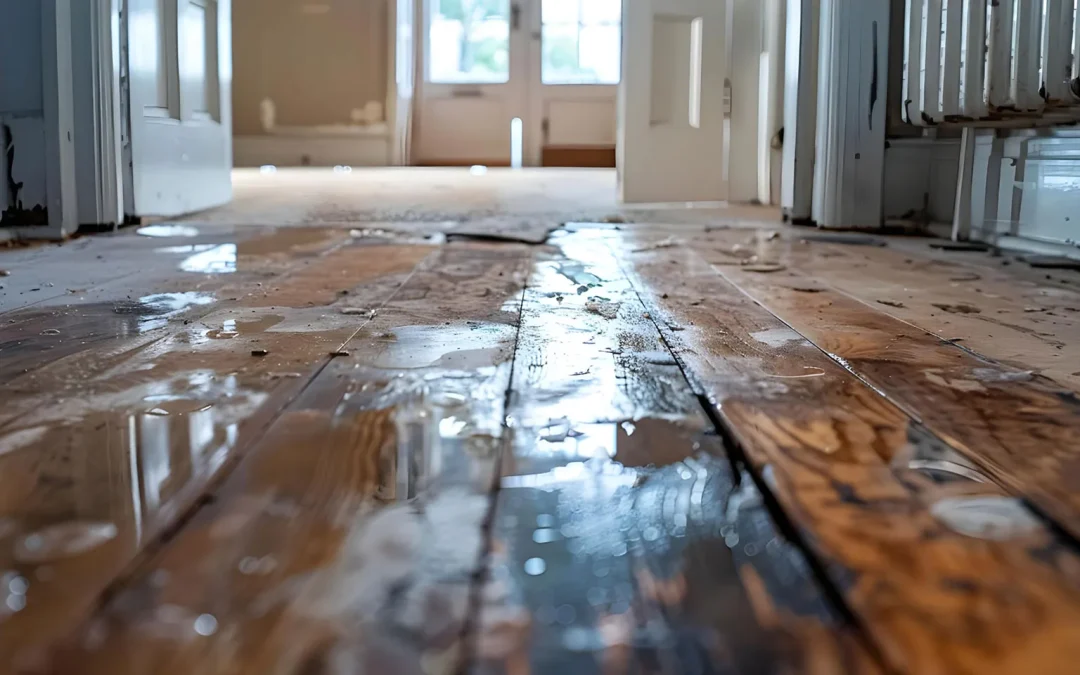
During a home inspection, several common red flags can indicate underlying issues that may require further investigation. These include signs of water damage, structural cracks, outdated electrical systems, and pest infestations, all of which can significantly impact the safety and value of a property.
By being aware of these red flags, homebuyers can ask informed questions and seek clarification from their inspectors. Addressing these concerns early on can help prevent costly repairs down the line and ensure a smoother transition into homeownership.
How to Prepare for a Home Inspection
Preparing for a home inspection is essential for both buyers and sellers to ensure a smooth process. For sellers, this may involve making necessary repairs, decluttering spaces, and providing access to all areas of the home. For buyers, understanding what to expect during the inspection can help alleviate anxiety and foster a collaborative environment with the inspector.
Buyers should compile a list of questions and concerns to discuss with the inspector, ensuring that all critical areas are examined thoroughly. By taking these preparatory steps, both parties can contribute to a more effective inspection process, leading to better outcomes in real estate transactions.