Essential Checklist for Homebuyers Before an Inspection
Before scheduling a home inspection, it's crucial for homebuyers to prepare adequately. An essential checklist can help ensure that all necessary areas are covered during the inspection, allowing buyers to make informed decisions. This checklist may include items such as reviewing the property's history, understanding the specific inspections needed, and preparing questions for the inspector.
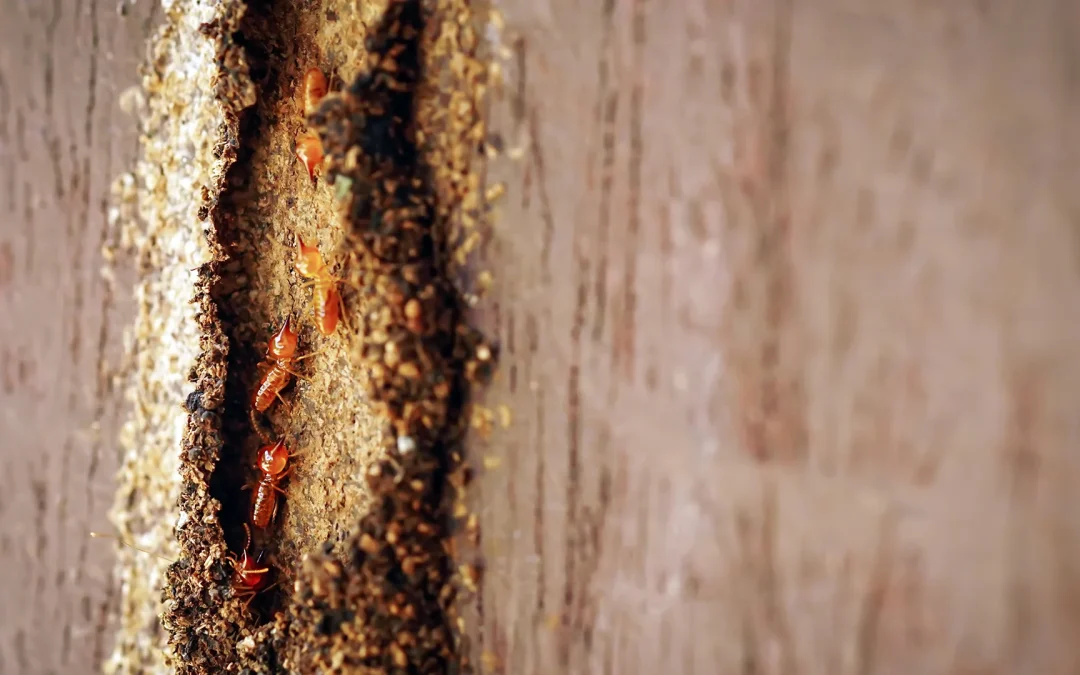
For instance, buyers should consider checking if the property has had previous inspections and what issues were identified. Additionally, they should be aware of common local concerns, such as foundation issues in certain neighborhoods or the presence of pests. By being prepared, buyers can maximize the value of their home inspection experience.
What to Expect During a Home Inspection
Understanding what to expect during a home inspection can alleviate anxiety for homebuyers. Typically, a home inspection lasts about two to three hours, during which a certified inspector evaluates the property's condition, including structural elements, systems, and potential safety hazards. Buyers should accompany the inspector to gain firsthand insight into the findings.
During the inspection, the inspector will check various aspects such as the roof, plumbing, electrical systems, and HVAC units. They will provide a detailed report outlining their findings, which can serve as a valuable tool for negotiating repairs or adjustments in the purchase price. Knowing what to expect helps buyers feel more confident in the process.
Understanding the Cost of Home Inspections
The cost of home inspections can vary significantly based on factors such as location, property size, and the complexity of the inspection. Typically, homebuyers can expect to pay between $300 and $500 for a standard inspection, but additional services like pest inspections or radon testing may incur extra fees.
Investing in a thorough home inspection can save buyers money in the long run by identifying potential issues before purchase. It's essential for buyers to budget for these inspections as part of their overall home buying costs to ensure they receive a comprehensive evaluation of the property.
Common Misconceptions About Home Inspections
There are several misconceptions surrounding home inspections that can mislead homebuyers. One common belief is that a home inspection guarantees that a property is free of defects. In reality, inspections provide a snapshot of the property's condition at a specific time, and issues may arise after the inspection is completed.
Another misconception is that all home inspectors are equally qualified. In fact, inspectors can vary in expertise and certifications, making it vital for buyers to research and choose a reputable inspector. Understanding these misconceptions helps buyers approach the inspection process with realistic expectations and knowledge.