Key Benefits of Home Inspections for Buyers and Sellers
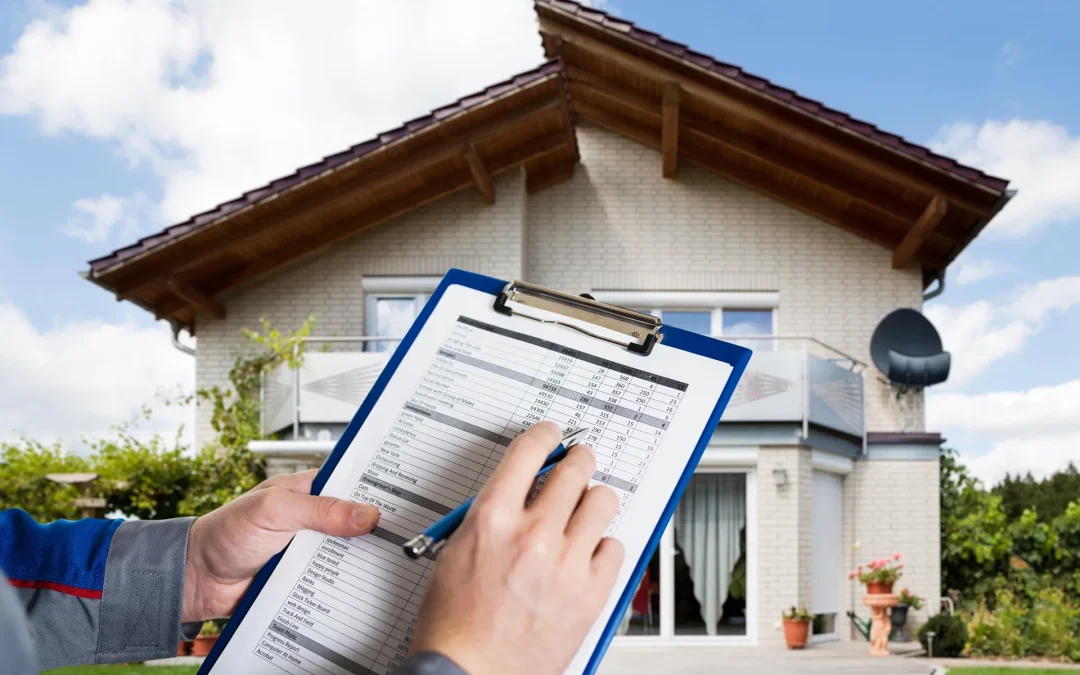
Home inspections provide invaluable insights for both buyers and sellers, ensuring informed decisions are made during real estate transactions. For buyers, a thorough inspection can reveal potential issues that may affect the property's value or safety, allowing for negotiations or repairs before closing.
Sellers benefit from home inspections by identifying problems that could deter potential buyers. By addressing these issues upfront, sellers can enhance their property’s appeal and potentially increase its market value. Additionally, a pre-listing inspection can streamline the selling process by minimizing surprises during buyer inspections.
Preparing for Your Home Inspection: A Step-by-Step Guide
Preparing for a home inspection involves several key steps to ensure a smooth process. Homeowners should start by clearing areas around major systems such as the HVAC, plumbing, and electrical panels to provide easy access for the inspector. Additionally, addressing minor repairs beforehand can lead to a more favorable inspection outcome.
It's also beneficial for homeowners to compile any relevant documentation, such as previous inspection reports, maintenance records, and warranties for appliances. This information not only aids the inspector but also demonstrates to potential buyers that the home has been well cared for, building trust in the transaction.
Understanding Different Types of Home Inspections
There are various types of home inspections tailored to specific needs, each focusing on different aspects of a property. Common types include general home inspections, which assess the overall condition of the home, and specialized inspections such as pest inspections, mold assessments, or radon testing, which target specific concerns.
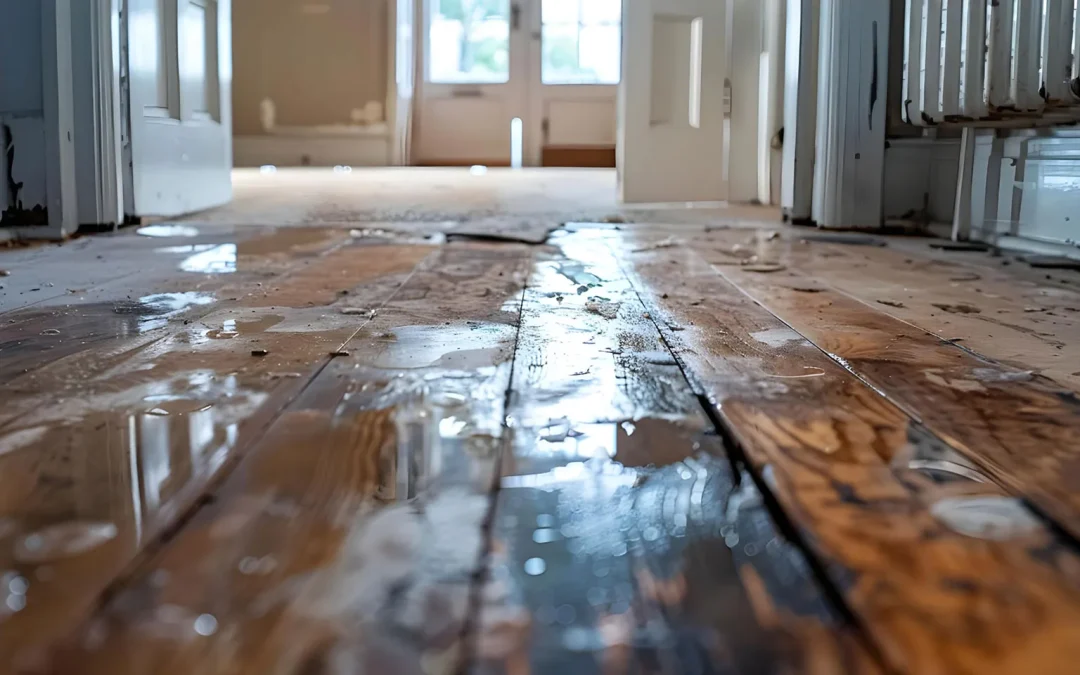
Each inspection type serves a unique purpose, and understanding these differences can help buyers and sellers make informed choices. For instance, a pest inspection is crucial in areas prone to termite infestations, while a mold inspection may be necessary for homes with previous water damage. Knowing which inspections to prioritize can significantly impact the safety and value of a property.
Post-Inspection: Next Steps for Homebuyers
After receiving the inspection report, homebuyers should carefully review the findings and prioritize any necessary repairs or negotiations with the seller. Understanding the severity of issues identified in the inspection is crucial, as it can influence the buyer's decision to proceed with the purchase or request repairs before closing.
Additionally, buyers should consider obtaining estimates for any significant repairs noted in the report. This information can aid in negotiations and help buyers gauge the true cost of homeownership. Engaging a real estate agent during this stage can also provide valuable guidance on how to navigate discussions with the seller effectively.