Understanding Different Types of Home Inspections
Home inspections can vary significantly based on the type of property and the specific needs of the buyer or seller. Common types include general home inspections, which cover the overall condition of a property, and specialized inspections such as pest, mold, or environmental assessments. Understanding these distinctions helps clients choose the right inspection service tailored to their needs.
For instance, a general home inspection typically examines structural integrity, roofing, plumbing, and electrical systems, while a mold inspection focuses solely on identifying mold presence and potential health risks. By knowing the different types of inspections available, homeowners can make informed decisions that align with their specific concerns and property conditions.
How to Choose the Right Home Inspector
Selecting the right home inspector is crucial for ensuring a thorough and reliable evaluation of a property. Factors to consider include the inspector's qualifications, experience, and customer reviews. It is essential to choose someone who is licensed and has a strong reputation in the community to guarantee a professional service.
Additionally, asking potential inspectors about their inspection process, tools used, and any specialties can provide insights into their expertise. A well-rounded inspector should also be able to communicate findings clearly and provide actionable advice, ensuring that clients feel confident in their home purchase decisions.
What to Expect During a Home Inspection
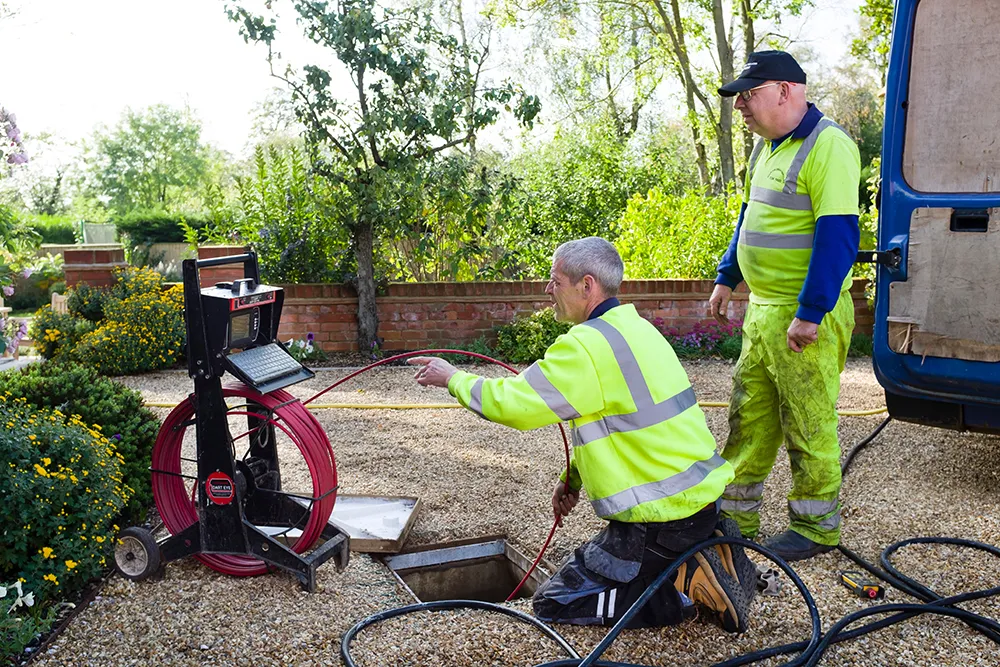
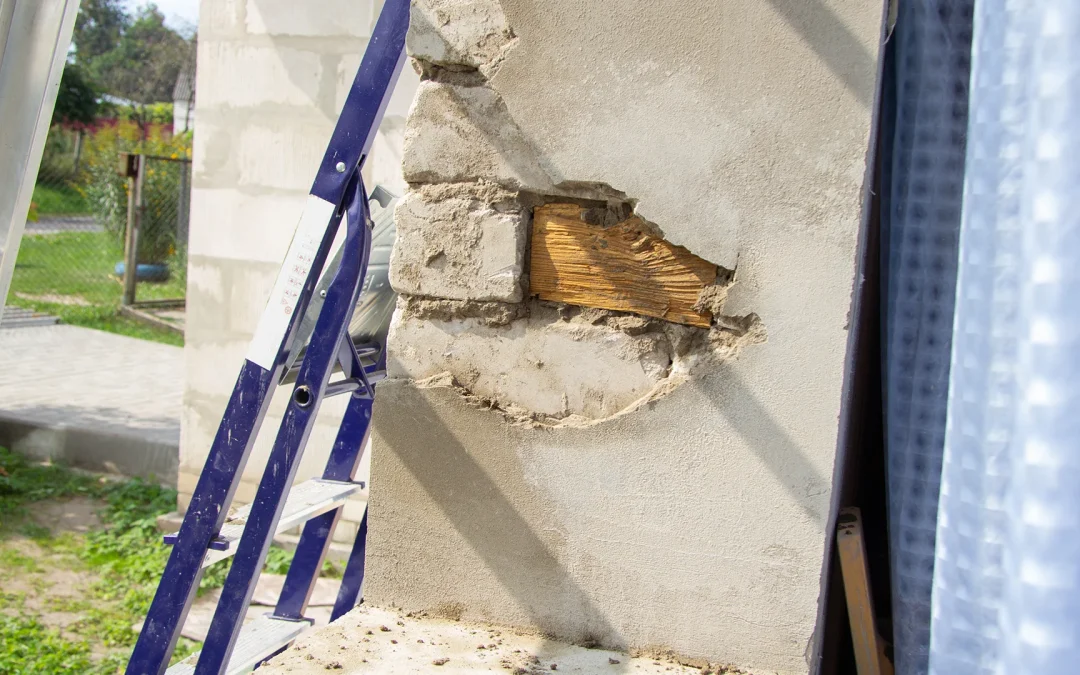
During a home inspection, clients can expect a comprehensive evaluation of the property's condition, typically lasting a few hours. The inspector will assess various components, including the roof, foundation, plumbing, and electrical systems, documenting any issues found. Homeowners are encouraged to attend the inspection to gain firsthand knowledge of the property’s condition.
After the inspection, clients will receive a detailed report outlining the findings, including photographs and recommendations for repairs or further evaluations. This report serves as a critical tool for negotiations and future maintenance planning, helping buyers and sellers make informed decisions about the property.
The Role of Home Inspections in Real Estate Transactions
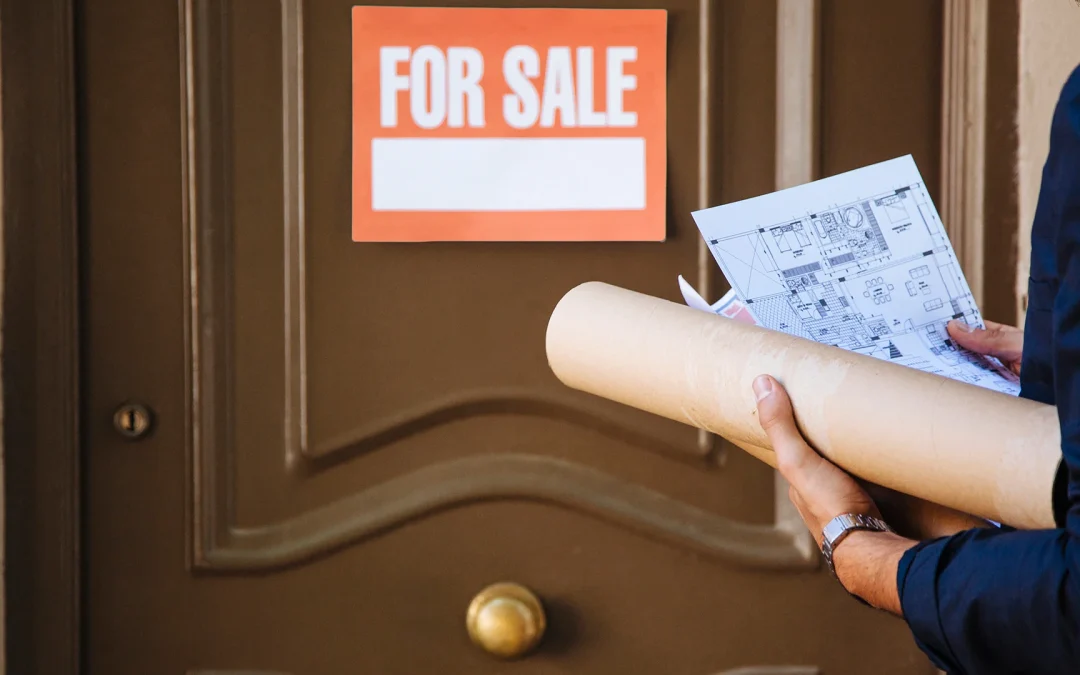
Home inspections play a pivotal role in real estate transactions by providing an unbiased assessment of a property's condition. This process helps protect buyers from potential costly repairs and ensures sellers can address issues before listing their homes. Understanding the impact of inspections can significantly influence the negotiation process and overall transaction success.
Moreover, a successful home inspection can enhance buyer confidence, potentially leading to quicker sales and higher offers. By highlighting the importance of inspections, both buyers and sellers can navigate the real estate market more effectively, ensuring a smoother transaction experience.